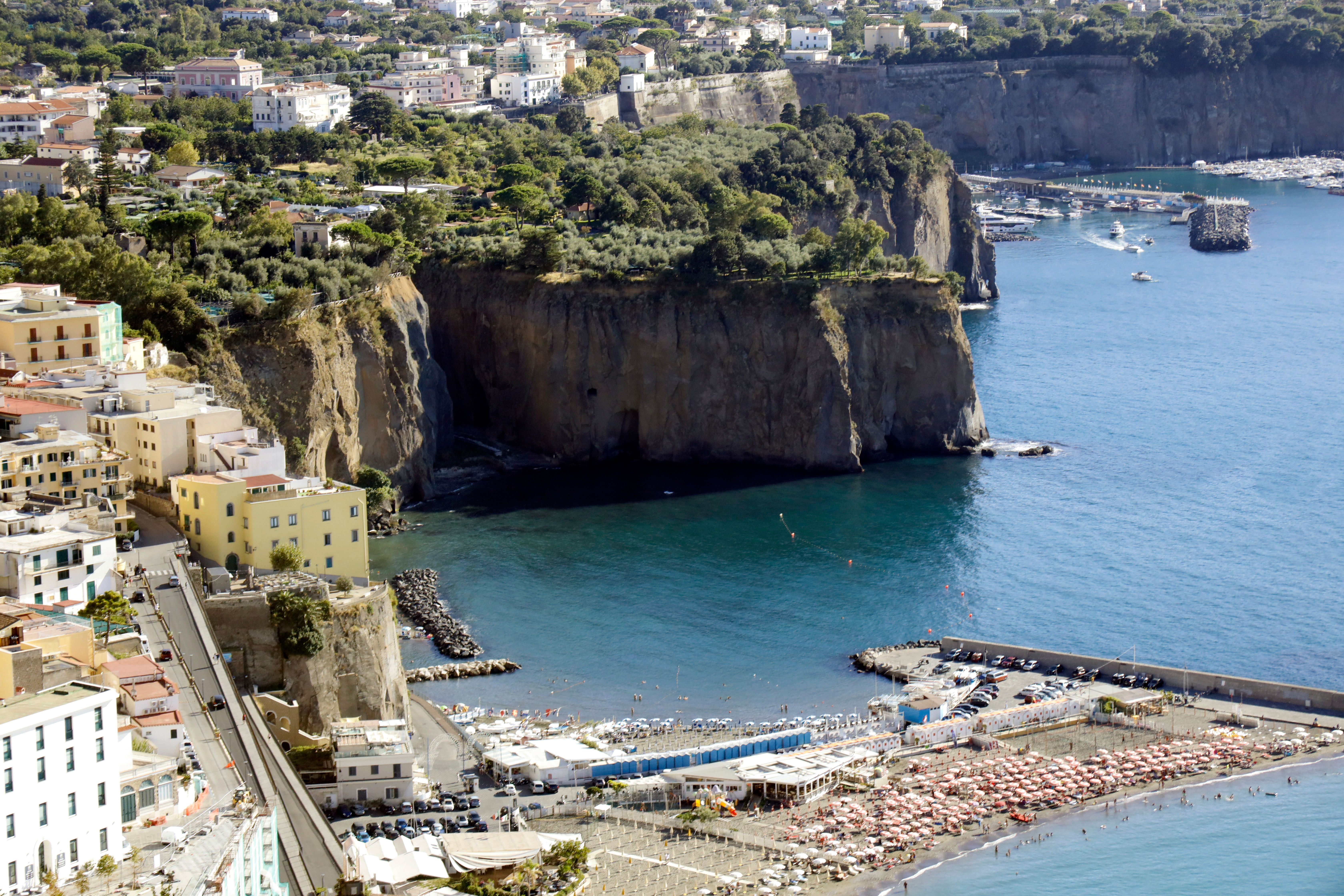
A new autumn programme links three Vesuvian municipalities — Torre del Greco, Ercolano and Trecase — through guided visits, natural landscapes, culture and local food.
The project, titled "Le stagioni della Campania: dal mare al Vesuvio," connects the coast to the volcano in a single itinerary. According to Metropolis Web, the programme includes eleven free appointments, with guides, admissions, shuttles, transfers and tastings covered by regional funding.
What the programme covers
The itinerary moves from park trails and nature reserves to churches, archaeological areas, historic villas and wine producers.
Reported stops include Valle dell'Inferno, the Matrone road and the Vesuvian reserve, alongside Ercolano's historic and underground sites. The programme also lists Villa Sora, Villa Campolieto, Villa delle Ginestre, Casa Setaro and Lacryma Christi wineries, with the Gran Cono visit among the Vesuvius experiences.
The range is deliberately broad: a walk in the Vesuvius National Park can sit in the same series as a villa visit or a tasting, showing how natural, cultural and food-and-wine heritage belong to the same local narrative.
Dates and reservations
The article states that the autumn programme begins on 15 November 2026 and that reservations open seven days before each event through Vesuvio Natura.
Readers should check the official Vesuvio Natura page for availability, booking procedures and event schedules before planning, as dates and arrangements may change and the original article does not provide a complete booking link for every individual appointment.
Why this route matters: volcano, sea, vines and archaeology
The three towns sit inside a wider Campanian story that national and regional tourism sources describe as a meeting of coastal geography, Vesuvius, nearby islands and historic settlements.
Campania supports that identity with a network of seven wine roads designed to promote wine and culinary tourism. In the Vesuvius area in particular, volcanic landscapes and vineyards stand alongside Pompeii, Herculaneum and other archaeological heritage, giving visitors a combined landscape where geology, agriculture and ancient history can be read together.
That context helps explain the programme's structure. It is not only a calendar of visits, but an attempt to present Torre del Greco, Ercolano and Trecase as points on a continuous cultural landscape running from the Gulf of Naples toward the crater.
Crafts and taste: two threads to follow
A first thread is craft. The Vesuvius area is associated with archaeological heritage and with historic craft traditions, including the coral and cameo work long linked to Torre del Greco. Visitors interested in material culture can therefore look at churches, villas and archaeological sites together with artisan traditions rooted in the same coastal towns.
A second thread is food. Campania's food culture includes traditional recipes, pizza, cheeses, seafood, sweets and wines associated with local communities and landscapes. The programme's inclusion of Lacryma Christi wineries and tastings fits that pattern, placing Vesuvian wine alongside the broader regional repertoire of coastal cooking, dairy products, Neapolitan pizza and pastry.
For readers, those two threads offer a practical way to interpret the eleven appointments: follow the craft and archaeology strand for history and making, and follow the vineyard and kitchen strand for the agricultural side of the volcano.
Together, the sea-to-volcano route presents Campania at a manageable scale — three municipalities, eleven free experiences, and a landscape where nature, heritage and table remain closely connected.