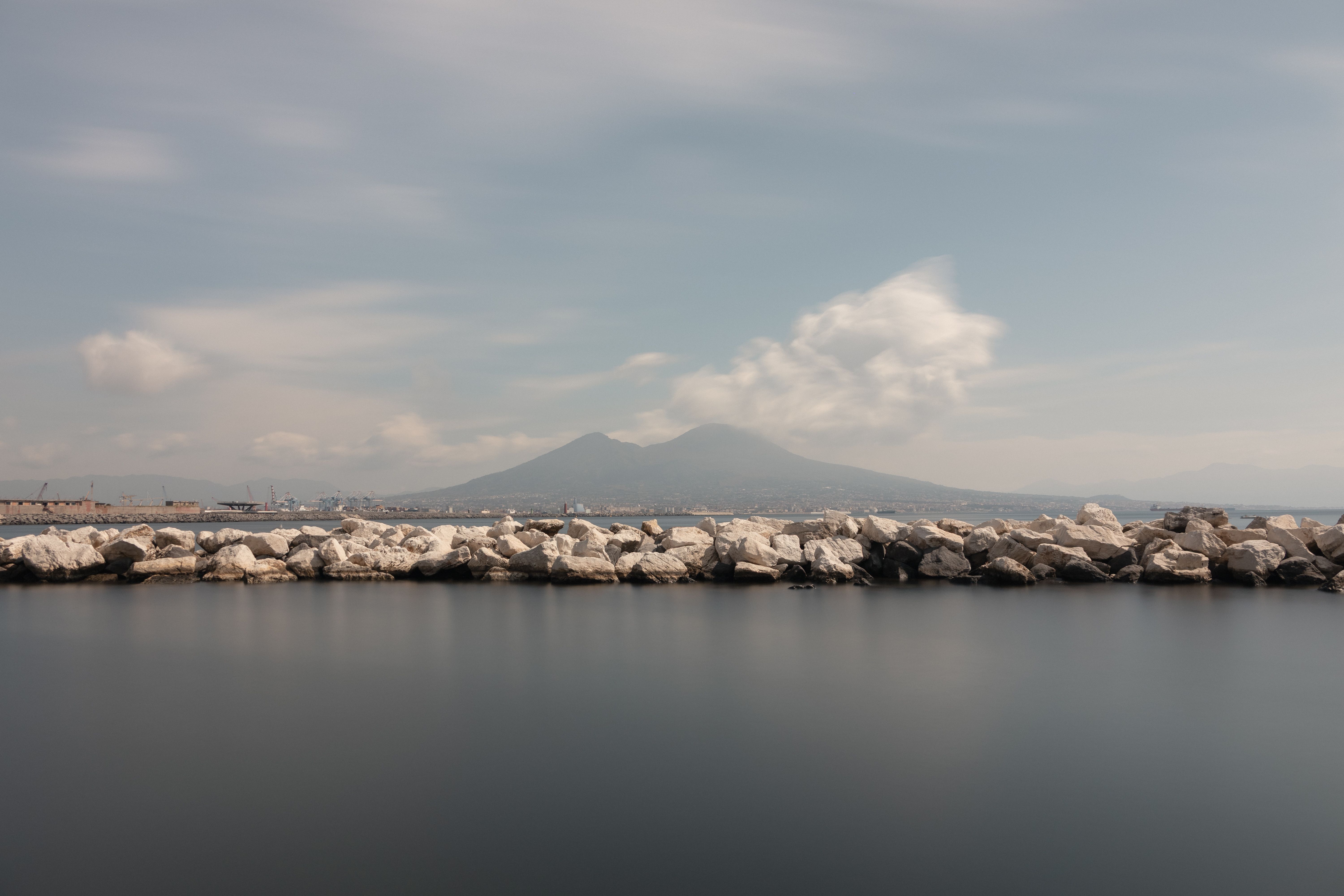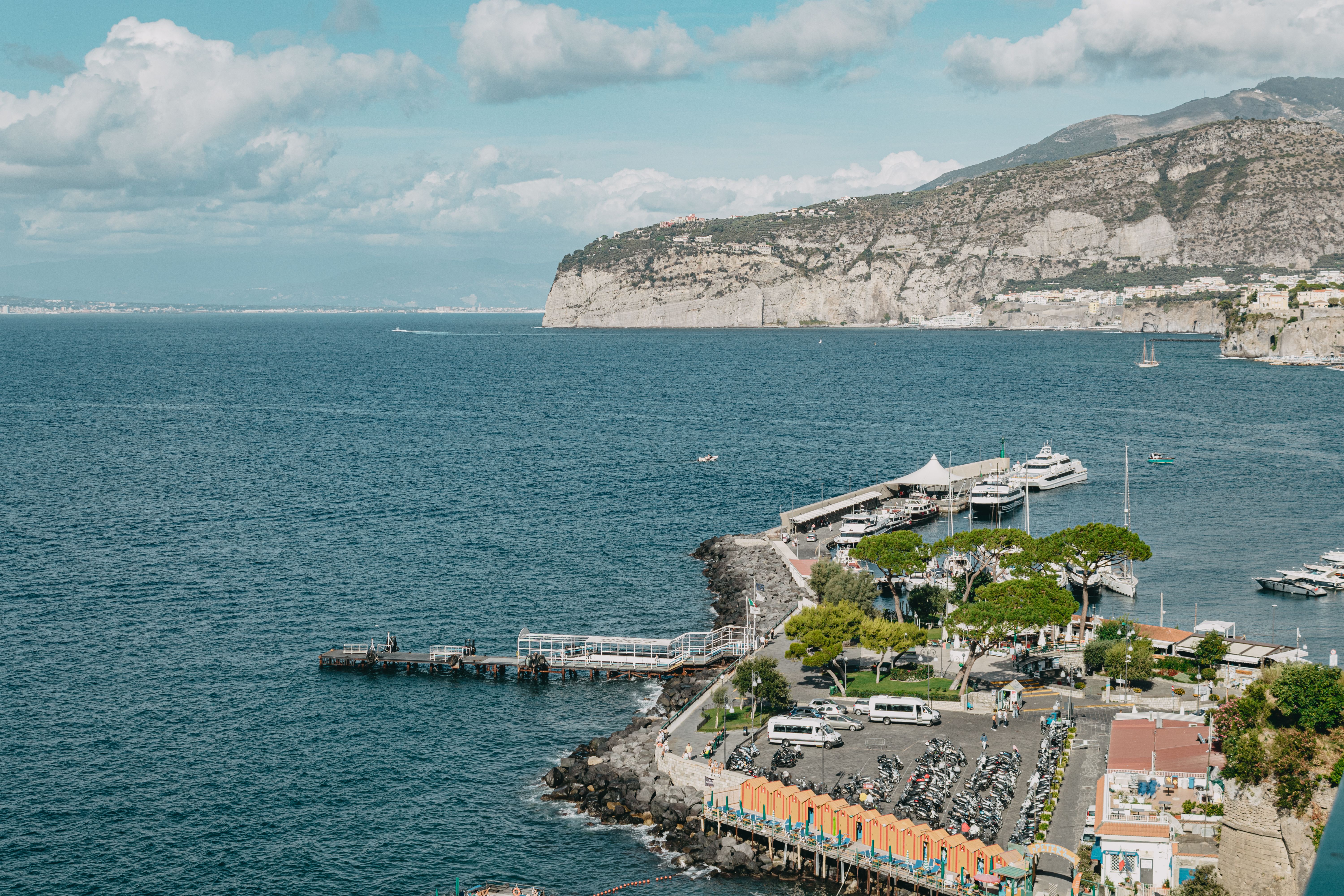
A restoration project is under way in the Bay of Ieranto, in Massa Lubrense, within the Punta Campanella Marine Protected Area, to restore Posidonia oceanica habitat damaged in the past.
The intervention is part of the Green Sea project. It is carried out by the International School for Scientific Diving, with support from the DISTAV department of the University of Genoa and Fondazione Deutsche Bank Italia.
According to the Marine Protected Area, approximately 2,000 fragments of Posidonia were installed on biodegradable mats covering about 100 square metres of seabed. The local-press headline refers to "mille talee," but the institutional account reports approximately 2,000 fragments.
Repairing anchoring damage
The project addresses seabed damage associated with historical uncontrolled anchoring. The transplantation is intended to extend the existing Posidonia meadows in areas where the seabed had been damaged.
The fragments used were collected from naturally detached material. That approach means the work did not involve removing plants from existing meadows to supply the transplant.
The Marine Protected Area's figure of about 100 square metres is used here because the local-press report contains an internal discrepancy, referring to both 200 square metres and 100 square metres.
Why Posidonia recovery needs help
Posidonia oceanica is an endemic Mediterranean seagrass. Its meadows are ecologically important habitats, but their recovery can be slow and is affected by human pressures and climate change, including pressures such as anchoring.
That slow natural recovery is the reason for active transplantation: placing naturally detached fragments on the seabed is intended to give new colonization a starting point where damage had occurred.
What is known, and what is not yet known
Ieranto is a property of FAI – Fondo Ambiente Italiano and is included in the Punta Campanella Marine Protected Area. FAI describes its biodiversity and history of environmental restoration.
No post-intervention survival or monitoring result for the Ieranto transplantation was reported in the sources for this article. It is therefore too early to describe the outcome at Ieranto.
As context, monitoring from an earlier 2024 intervention under the same project at Cinque Terre recorded a 60% survival rate for transplanted cuttings. That figure concerns Cinque Terre, not Ieranto, but it gives readers a reference point for how such transplants have performed elsewhere in the project.