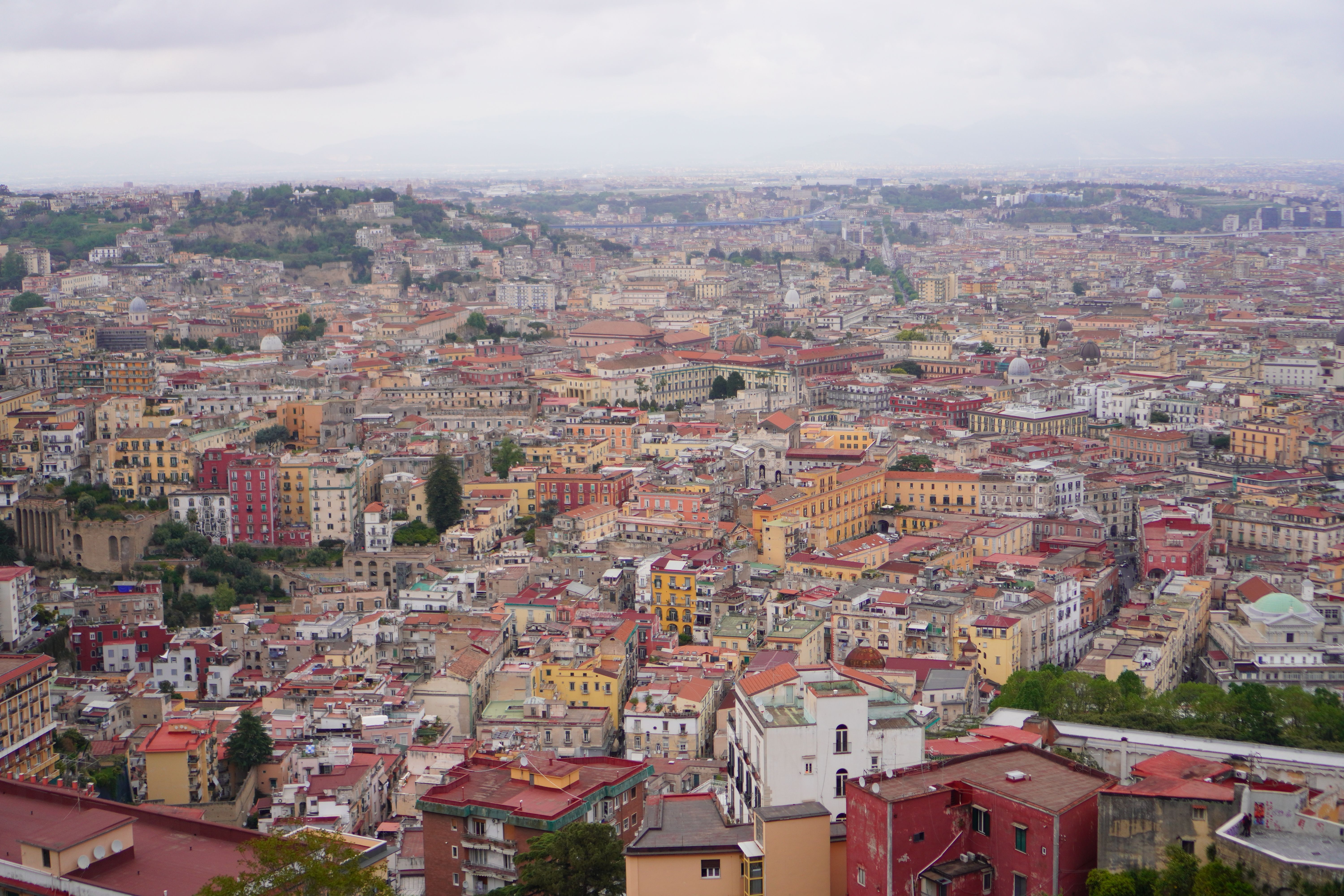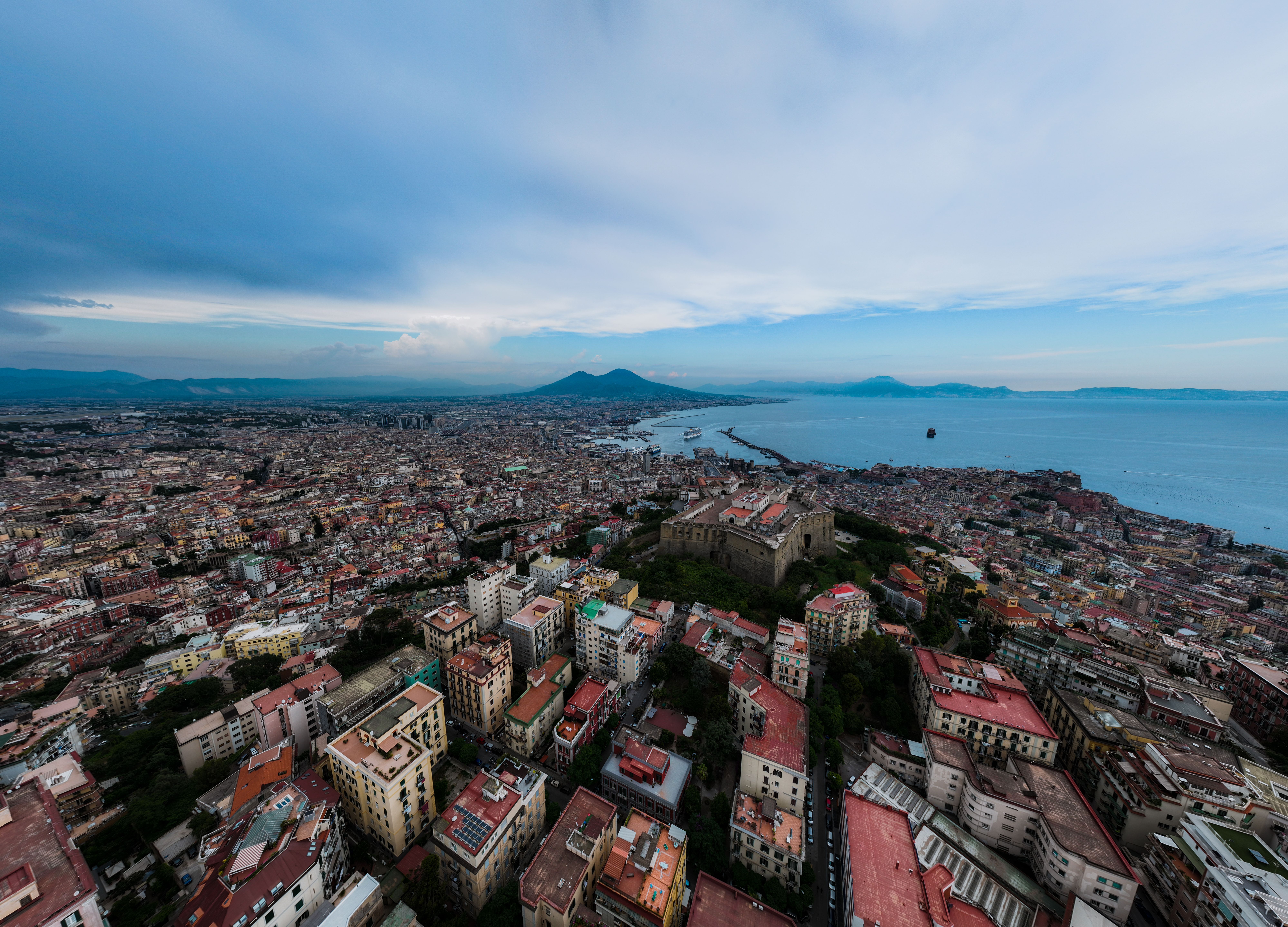
Demolition work has resumed against illegal construction within or near the protected area of the Vesuvius National Park, according to a report by Il Mattino.
The procedures fall under the jurisdiction of the Nola Prosecutor's Office, which had opened 56 demolition procedures by September 2026. The report also states that more than 700,000 euros had been requested from the park for demolition funding.
Readers should note a point of jurisdiction: the reference to the Nola Prosecutor's Office describes the judicial district handling the procedures. It does not mean that all 56 procedures are physically located in the municipality of Nola.
Terzigno Has the Highest Number, With 10 Procedures
Terzigno led the municipalities covered by the Nola Prosecutor's Office, with 10 demolition procedures.
Two of the Terzigno procedures were initiated for self-demolition by property owners.
The reported procedures also involved San Giuseppe Vesuviano, Somma Vesuviana, Volla, Pollena Trocchia, Ottaviano, San Sebastiano al Vesuvio, San Gennaro Vesuviano, Sant'Anastasia and Cercola.
The retrieved material does not provide the addresses, construction types or ownership details for the individual demolition cases, and it does not establish a completion date for each reported demolition.
2,500 Orders in 30 Years, 125 Demolitions Completed
The article reports a wide gap between orders issued and demolitions carried out: the park had issued approximately 2,500 demolition orders over 30 years and had completed 125 demolitions by 31 December 2025.
The reported figures are attributed to the article and park leadership. No separate judicial or municipal records were retrieved to independently verify each total.
The Park in Brief
The Vesuvius National Park was founded on 5 June 1995, according to the park's official website.
The park covers 8,482 hectares and includes 13 municipalities.
Its stated purpose is to preserve the Vesuvius territory's natural, geological, biological, scenic and hydrogeological values.
That institutional context helps explain why construction inside or near the protected area is subject to demolition procedures, and why the list of municipalities involved extends across much of the Vesuvian area.