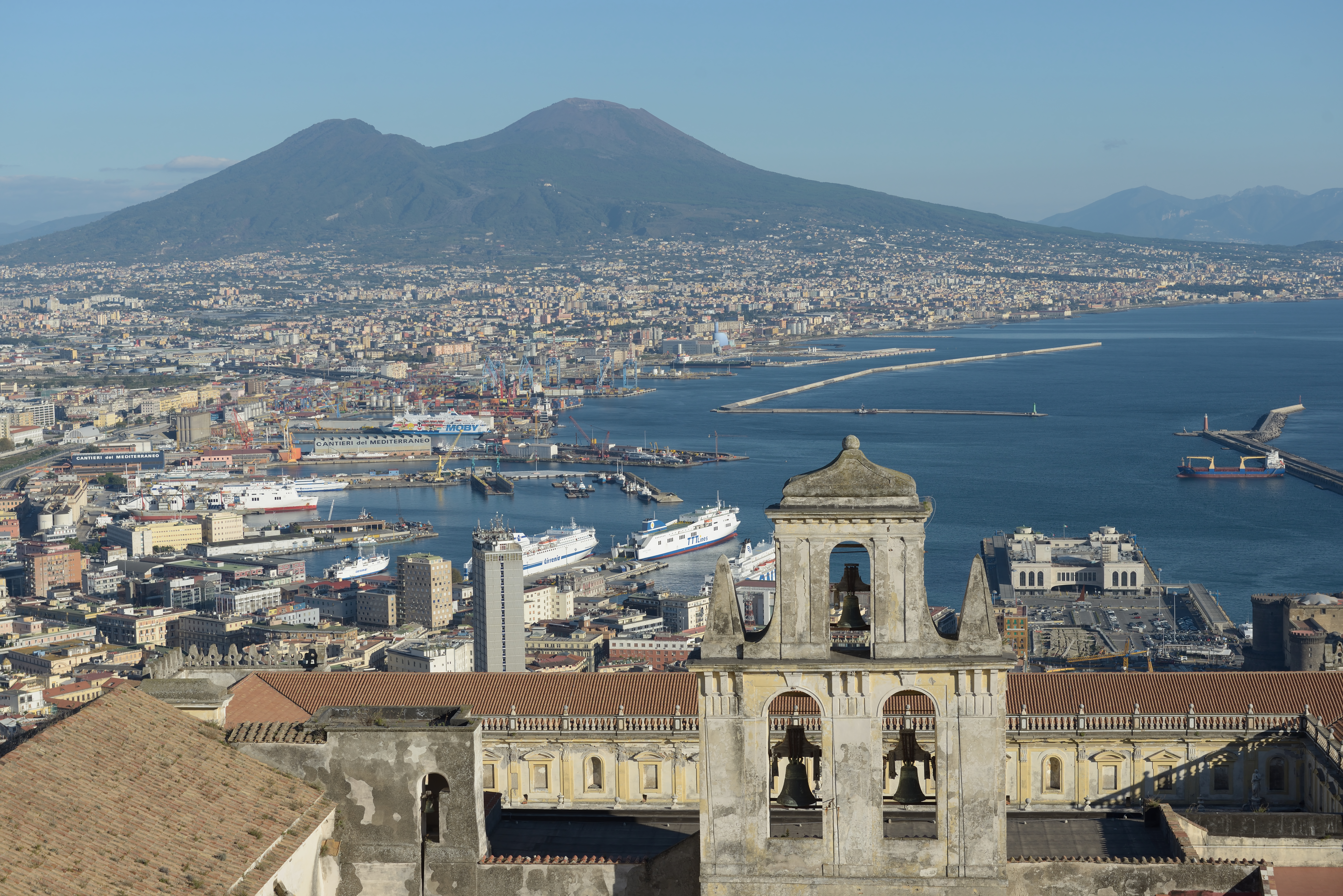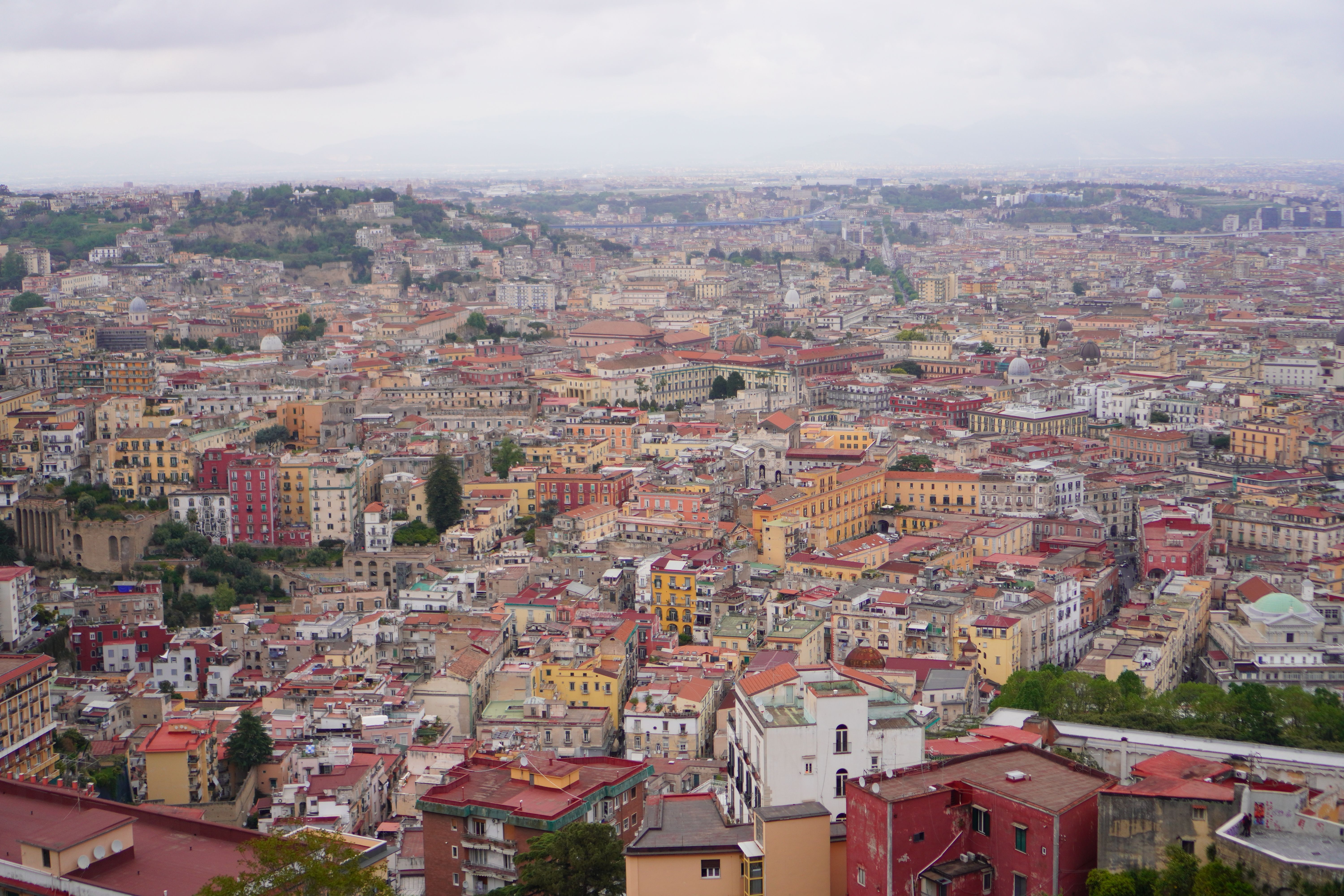
Ercolano is planning a new waterfront intended to reconnect the city with its coast and link the coastal area around Villa Favorita with Portici and Torre del Greco.
The project centres on a planned seaside promenade and public urban space. According to the validated reporting, it is designed to address a long-standing urban division: the railway has historically separated Ercolano from its coastline, limiting direct access between the city and the sea.
The waterfront forms part of a wider coastal connection extending from San Giovanni a Teduccio, through Portici and Ercolano, to Torre del Greco. The aim, as presented in the sources, is a public waterfront connection shared by several coastal municipalities, rather than an isolated intervention in Ercolano alone.
Parco a Mare and Corso Umberto
The waterfront is presented alongside a broader urban programme that includes the Parco a Mare and the redevelopment of Corso Umberto.
The reporting describes the overall effort as combining public-space redevelopment, improved coastal access, and a broader tourism and sustainability strategy. Details of how the waterfront, the park project, and the work on Corso Umberto will be phased together were not established in the acquired sources.
What to understand about the railway barrier
One reader-useful point is why the railway matters to this plan. The sources describe the railway as the physical separation between Ercolano and its coast.
The proposed promenade and associated public spaces are therefore presented as a way to create planned public access across that barrier. The acquired material does not specify the exact crossings, routes, or accessibility standards that would be used.
What to understand about the funding figures
Readers should be aware that two different funding descriptions appear in the reporting. Il Mattino cites €13.7 million in PRIUS funds for projects including the Parco a Mare and the redevelopment of Corso Umberto. ANSA separately reports a €12 million CIS-funded waterfront project.
The relationship between those two figures is not established by the acquired sources. They should not be treated as a single confirmed total without further official clarification.
No definitive completion date, construction schedule, or current delivery status is established in the acquired material. The full technical scope, including exact routes and connections to the archaeological areas, is also not available from these sources.