Piero Riccardi moved from television journalism into professional winemaking. The reporting describes him as a former Rai author, with work for Mixer, La storia siamo noi and Report, who now runs Cantine Riccardi Reale with Lorella Reale.
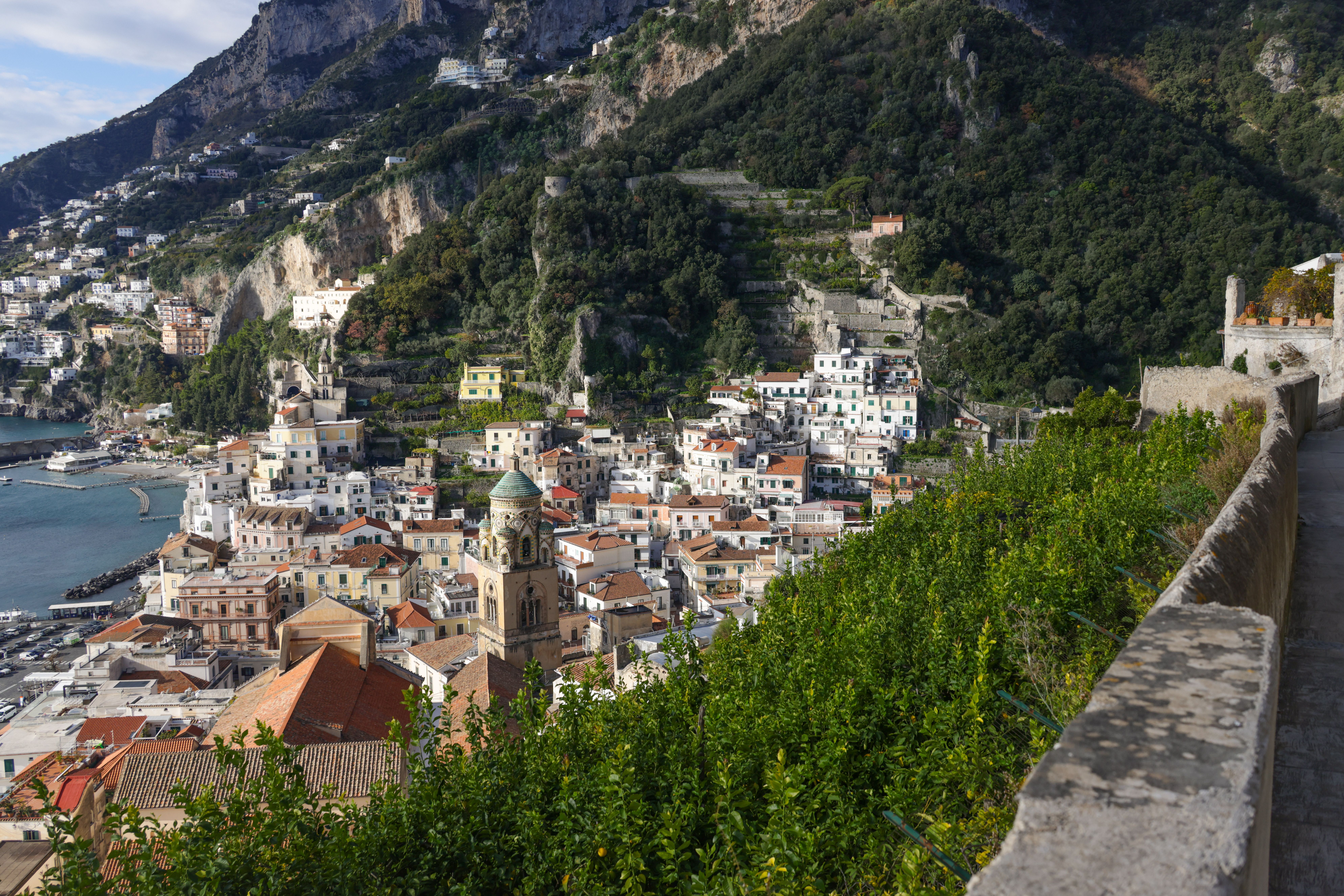
The estate operates across Bellegra and Olevano Romano, in Lazio. It is described as a seven-hectare, certified-organic estate using biodynamic methods, with manual harvesting, spontaneous fermentation and vinification without added substances. Those details come from the publication and the producer; independent certification records were not part of the research.
What Riccardi means by natural wine
Riccardi's definition is practical rather than abstract. Natural wine, in his account, is must fermented spontaneously with native yeasts, without selected laboratory yeasts and various external additives.
He summarises the position with the claim that "wine is made by winemakers." The point is direct: "natural" does not mean leaving the wine unattended. Healthy grapes, technical knowledge and human responsibility are presented as essential.
That is also the sense of his Italian formulation quoted in the original feature title: "Il vino naturale bisogna saperlo fare" — natural wine has to be made with skill.
For readers, this is a useful clarification. The terms natural, organic and biodynamic are often used interchangeably, but here they are presented through Riccardi's perspective rather than an independently established legal definition. Organic certification and biodynamic methods concern farming; native-yeast spontaneous fermentation concerns the cellar approach.
Cesanese, Malvasia Puntinata and Colle Pazzo
Cesanese is central to the estate's identity. The wines are presented as an attempt to preserve distinctions arising from grape variety, soil and vineyard parcel, including Cesanese from Olevano Romano.
The reporting identifies Colle Pazzo as a site combining volcanic soils and Cretaceous sandstone, and associates the estate's Cesanese and Malvasia Puntinata wines with those conditions. The research does not go further than that association, and it does not independently establish the precise vineyard boundaries or soil interpretation.
Riccardi also frames natural wine as a contemporary practice, not merely a nostalgic return to the past. In other words, native yeasts and minimal additions are presented as a present-day choice for territorial identity, not as an attempt to recreate an older countryside.
A career change that drew scrutiny
Riccardi's transition from Report author to featured winemaker generated public debate about editorial independence and perceived conflicts of interest.
A separate account reports that Riccardi authored 29 investigations for the programme, and says a Report episode presenting him as a winemaker prompted accusations of a possible conflict of interest. The material acquired for this article documents the allegations and criticism, but does not independently resolve the dispute.
That context matters for readers coming to the story through food and wine coverage. The winemaking claims and the journalism controversy belong to different judgments: one concerns farming and cellar method, the other concerns editorial presentation.
What to keep in mind
First, treat the estate description as reported rather than independently verified. Acreage, certification, biodynamic practice and production method are primarily reported by the publication and the producer.
Second, read "natural" here as Riccardi's working definition: healthy grapes, native yeasts, spontaneous fermentation, and no selected yeasts or added winemaking substances. It is not a shared legal category in the material supplied.
Understood on those terms, the story is coherent: a former investigative journalist applies investigation to farming, argues that low-intervention wine requires more competence rather than less, and ties that competence to a specific place — Bellegra and Olevano Romano — and to specific grapes, above all Cesanese.