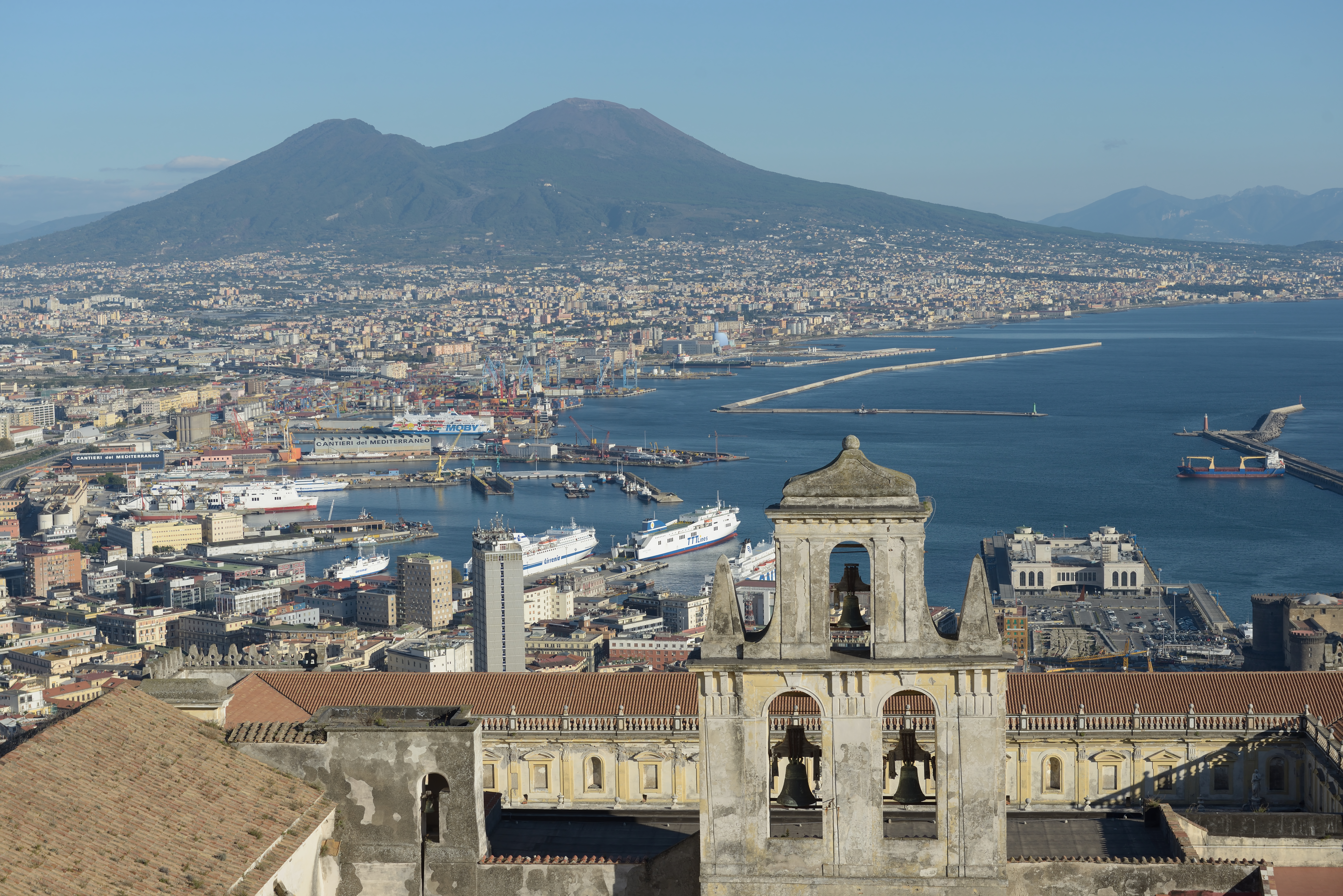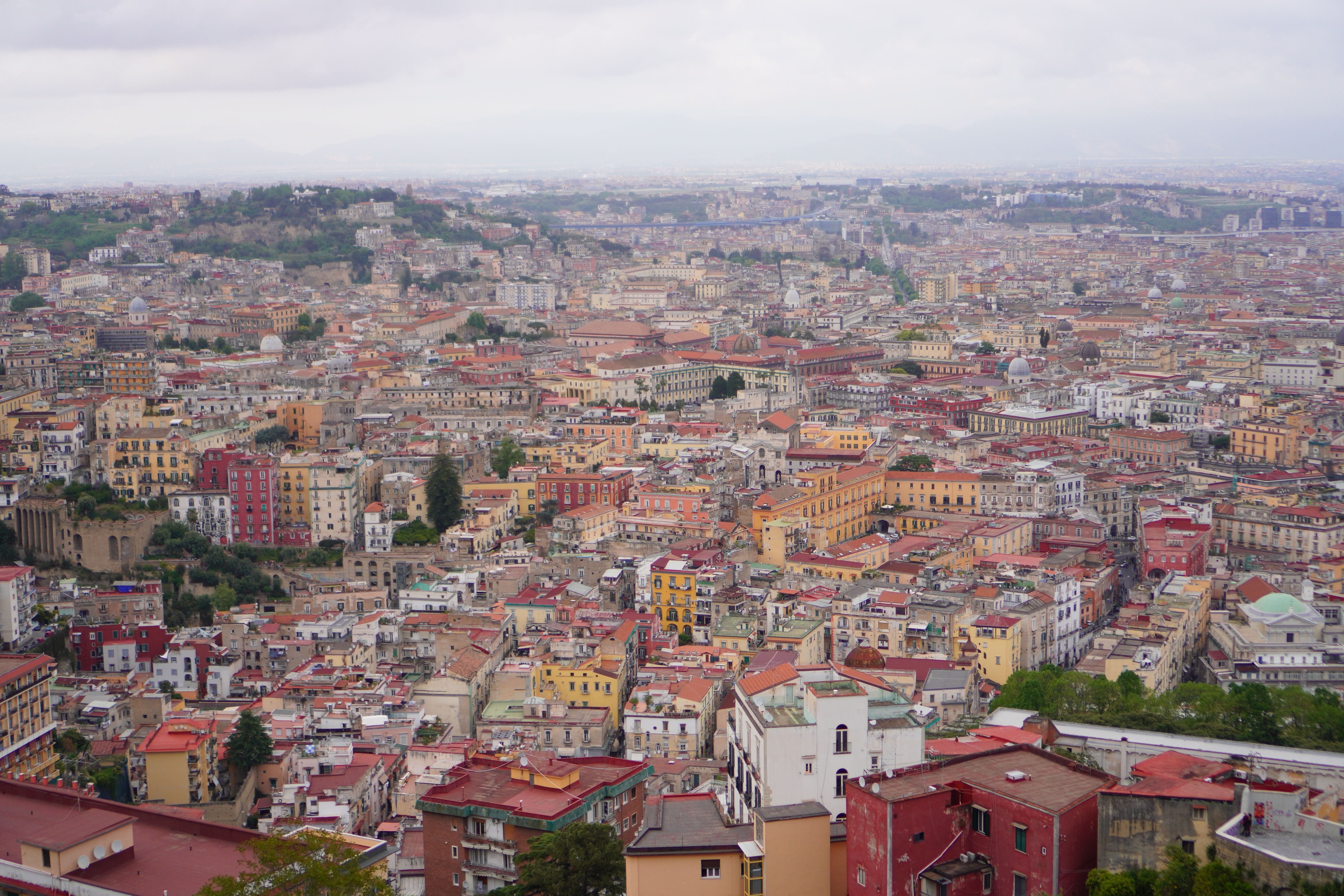
Castellammare di Stabia is reopening the debate on its future urban form. The local Democratic Party circle has presented the town plan — the Piano Urbanistico Comunale, or PUC — as an unresolved priority and is using it to connect land use, everyday safety and the reorganisation of the port area.
The proposals are political and programmatic, not administrative decisions already adopted. They come as the Municipality, the port authority and national environmental bodies are each moving separate pieces of the planning and harbour framework forward.
Stop soil consumption, recover the old centre
At the core of the Democratic proposal reported by Il Mattino is a containment of soil consumption, with protection of the environment and landscape, recovery of the historic centre and more greenery and public spaces.
The message is that Castellammare should grow by reusing and rehabilitating what already exists rather than expanding onto new land. The old town, public green areas and shared spaces are presented as the measure of planning quality, alongside attention to beaches, waste collection and traffic.
The same document also addresses free beaches, refuse, the commercial port and Fincantieri, placing environmental and productive questions inside a single urban strategy.
Traffic, parking, limited traffic zone and controls
The second pillar links planning to safety. The proposal calls for a new traffic plan, more parking, a wider limited traffic zone (ZTL) and more effective controls, with attention to both the centre and the outlying districts.
No independent data in the sources reviewed allow a measurement of the current effectiveness of video surveillance, controls, the ZTL or the traffic plan. What is clear from the evidence is the political framing: mobility rules and enforcement are treated as urban planning tools, not only as policing measures.
Commercial port and Fincantieri
For the waterfront, the proposal calls for relaunching the commercial port and protecting and strengthening Fincantieri, inserting the harbour question into the city's productive strategy.
The port of Castellammare di Stabia falls under the jurisdiction of the Central Tyrrhenian Sea Port System Authority. An ordinance of 5 July 2024 confirms that competence and makes permanent the regulation of fishing-related activities previously governed on an experimental basis.
That detail matters for readers: harbour uses in Castellammare — from fishing to commercial operations — are not governed only by the Municipality. Port authority rules run in parallel with municipal planning.
Where the town plan formally stands
Separately from the party proposals, the Municipality has formalised a planning process covering the PUC, the building and planning implementation rules (RUEC) and the Strategic Environmental Assessment (VAS).
The institutional page publishes the preliminary approval of the plan, with publication indicated as 11 February 2025. The sources acquired do not clarify whether the PUC has completed the full approval process after that preliminary phase.
For residents, the distinction is important: preliminary approval opens the planning and environmental review path, but it is not the end of the procedure.
Marina di Stabia and the wider waterfront
Another piece concerns Marina di Stabia, the tourist port. A variant for its onshore works was subject to an environmental screening procedure, with opinion No. 1018 issued on 26 March 2024 by the Ministry of Environment and published in the Ministry's records.
The relationship between that Marina di Stabia variant and the broader reorganisation of the port area requires consultation of the full project documents and authorisation acts. The available evidence establishes that the tourist-port land works went through environmental review, not how they fit into the final overall harbour layout.
Readers following the "port revamp" should therefore watch three separate tracks: the municipal PUC process, the port authority's harbour regulation, and the project-level environmental procedures for the tourist port.
What unites them in the current debate is the Democrats' attempt to hold them together — no new soil consumption, a recovered historic centre, liveable streets, and a working port that keeps industry and fishing alongside tourism.