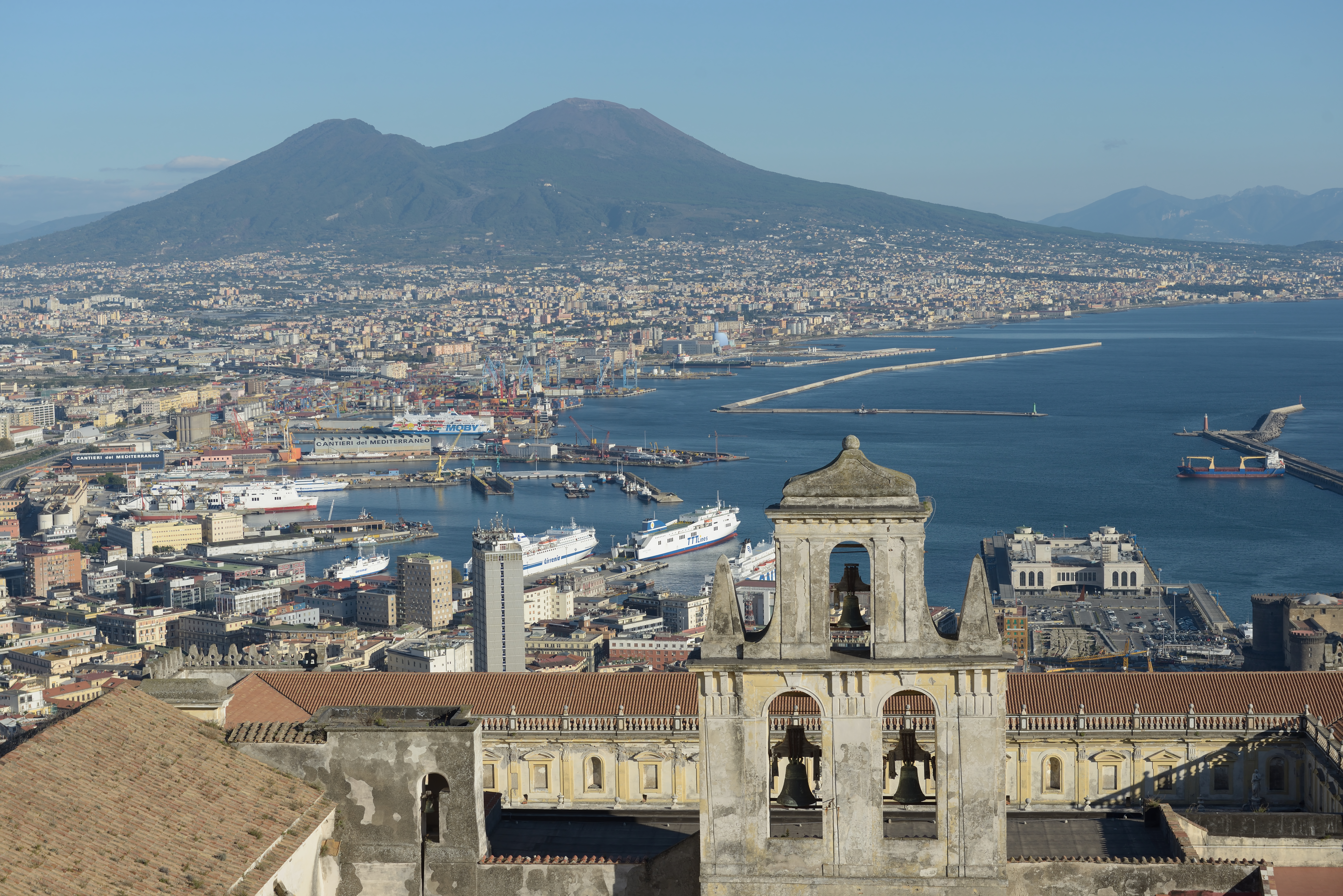
Students occupied the Liceo Artistico Statale di Napoli, and headteacher Simona Sessa said she was disappointed because she had offered them a different way to make their voices heard.
In an interview with Il Mattino, Sessa said she had proposed a permanent assembly with debates, experts and journalists, while keeping lessons and school supervision in place. The students, she said, chose occupation instead.
The episode sets two concerns against each other: the principal's emphasis on safety, continuity of work in the building and protection of school spaces, and the students' wish to discuss and express their ideas through an occupation.
Safety concerns and building work
Sessa linked her disappointment to practical risks inside the school. She said work was under way in the building at the time of the interview, including work on bathrooms, with closed-off areas, equipment and hoists present.
She also pointed to the previous year's occupation. According to Sessa, a fire during that occupation completely damaged two classrooms after young people from outside the school entered the building. Her concern, as reported, was that students could be exposed to danger and that outsiders could again enter during the protest.
The validated account does not establish how long the occupation lasted or how it ended.
What the students wanted remains unclear
The reporting does not independently clarify the students' specific demands.
That gap matters for readers: Sessa's account describes the form of protest she preferred and the risks she feared, but it does not provide a verified account of the reasons the students gave for occupying rather than accepting a supervised permanent assembly.
A large historic art school in the Santi Apostoli complex
The school at the center of the dispute is the state-run Liceo Artistico di Napoli, identified by ministerial code NASL010002. Simona Sessa is identified by the school as its headteacher, with responsibility for the general functioning of the school, coordination among its parts and protection of the right to learn.
The Education Ministry's school database places the school at Via SS. Apostoli 8/A in Naples. The version consulted lists 737 pupils and 38 classes, figures that can change over time.
A centenary school open to its neighborhood
The Liceo Artistico di Napoli traces its origins to 1923 and is housed in the Santi Apostoli complex. Its centenary was marked with redevelopment projects, a permanent exhibition and artistic activities open to the surrounding area.
That history helps explain why occupations at the school carry particular weight: the building is both a working school with ongoing maintenance needs and a historic artistic institution with ties to its quarter.
For now, what is verified is the disagreement over method: dialogue through a permanent assembly with lessons continuing, as proposed by the principal, or occupation, as chosen by the students.