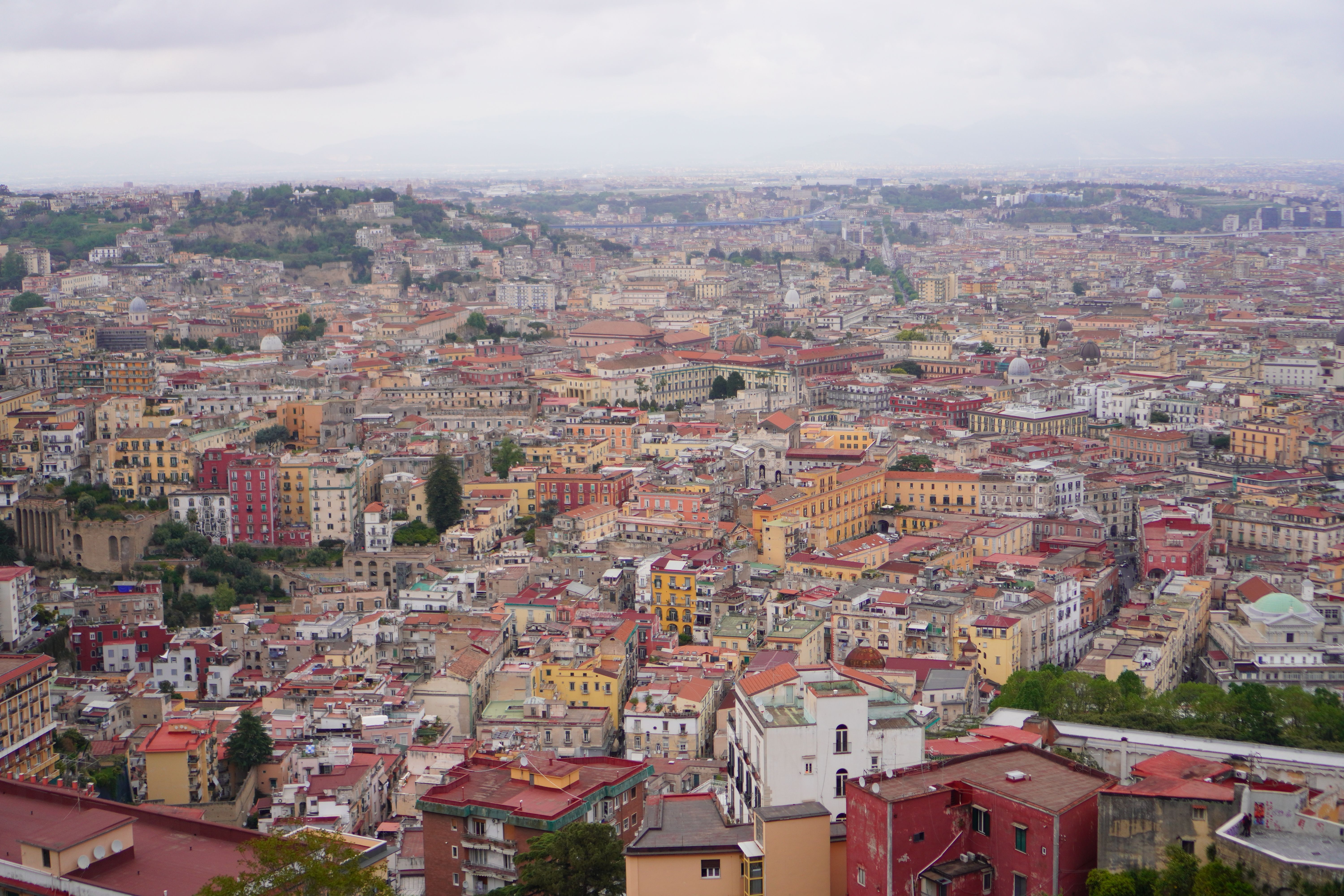
In an interview with Il Mattino Napoli, Francesco Rutelli sets out a simple thesis: culture is not only heritage protection, it is also enterprise. Culture, in his account, can generate creativity, professional skills, competitiveness and lasting economic effects, and that link is what allows cities such as Rome and Naples to grow.
The interview does not provide verifiable economic data on impact already produced. The value of the argument is strategic rather than statistical: urban growth, Rutelli suggests, comes from joining physical restoration with programmes, cultural initiatives and public events.
The Albergo dei Poveri as a test case for regeneration
The concrete example Rutelli points to in Naples is the Real Albergo dei Poveri. In the interview, he connects the restoration of the complex with cultural programming and events, presenting that combination as a possible model of urban regeneration.
The City of Naples describes the Albergo dei Poveri as a historic complex with a social, educational and work-training vocation, historically tied to hospitality, schooling and learning trades. It is currently undergoing restoration while being made temporarily accessible to the public.
That temporary reopening takes the form of contemporary art, photography, installations and performance. The exhibition "Ancora Qui" uses objects found during restoration work alongside contemporary artistic languages to let visitors enter the complex while work is still in progress.
For readers, this is the key point to understand: the building is not presented as a finished museum. It is a construction site that can be visited and interpreted through art and memory, with restoration and public use running in parallel.
Before planning a visit, check the City of Naples event page directly. The municipal page has reported both an earlier closing date of 2 March 2026 and a subsequent extension to 30 April 2026, so operating information may change.
Mass tourism, historic centre and new professions
Rutelli also addresses the pressures of mass tourism. According to the research summary of the interview, he says the City of Naples is responding by diversifying what is on offer, making more of the historic centre without losing its identity, and creating new professional roles linked to culture.
No measurable results in terms of cultural employment, new businesses or a longer tourist season are verified by the sources used here. The direction described is clear, but its outcomes remain to be demonstrated.
The emphasis on new professions matters for the broader argument. If culture is "also enterprise," as the interview headline puts it, then heritage work needs curators, archivists, technicians, educators, digital specialists and cultural managers, not only restorers.
Beyond a single building: Naples as a cultural laboratory
The interview can be read beyond the Albergo dei Poveri alone. Naples appears as a laboratory where heritage, contemporary creativity, digital innovation and public participation are being brought into relation with one another.
One example is "Napoli galleggiante," a City of Naples initiative that aims to turn the city's audiovisual and film memory into shared, accessible heritage. The project combines archival research, neighbourhood workshops, community involvement and a digital map.
That approach reinforces Rutelli's central point from a different angle. Restoration preserves the physical container; projects based on archives, participation and digital tools work on memory, access and collective use.
Together, the two strands suggest a fuller idea of cultural enterprise: restoring large historic complexes while also building the skills, audiences and platforms that allow residents to use them.
What to watch next
Readers following this story should watch for substance rather than announcements. The relevant questions are practical: what permanent cultural programme will the restored parts of the Albergo dei Poveri host, who will manage it, what training and jobs are attached to it, and how will success be measured.
Similarly, newer cultural projects mentioned around Naples for 2027 are best treated as stated intentions, not as a finally confirmed calendar, on the basis of the sources available here.
The interview's claim is therefore best understood as a working hypothesis for Naples and Rome: if restoration is paired with sustained programming, participation and enterprise, culture can support durable urban growth. Whether that hypothesis holds will depend on what happens after the exhibitions close and the scaffolding comes down.