Raffaele Paudice, speaking for CGIL Napoli e Campania, says the government response to the Campi Flegrei emergency leaves out two central issues: work and housing. In his assessment, the decree does not adequately address employment policy, displaced families, evictions, limited housing availability, or rising rents.
Paudice links the employment question to a wider warning about industrial and productive desertification. He cites the Olivetti centre as a symbol of that problem: without protection for jobs and productive activity, he argues, emergency measures risk hollowing out the area they are meant to help.
On housing, CGIL's position is that the measures for displaced residents are insufficient. Paudice calls for a complete suspension of evictions for residents affected by the emergency and for action against speculation in housing prices and rents.
CGIL's broader argument, also expressed by Nicola Ricci alongside Paudice, is that reconstruction should preserve residents, productive activities, and the social fabric of the area. In that view, the decree is inadequate and insufficient because it does not sufficiently protect housing, provide adequate resources, safeguard productive activities, or prevent depopulation.
What the decree covers
The measure at issue is Decree-Law No. 91 of 2 July 2024. According to Italy's Civil Protection Department, it establishes urgent measures connected with the bradyseism-related seismic risk in the Campi Flegrei, including measures concerning damaged buildings, essential infrastructure, and housing hardship.
Paudice's comments describe an initial reading of the draft decree. The exact final legislative text and any subsequent amendments are not established by the reporting on his remarks.
Where the intervention zone is
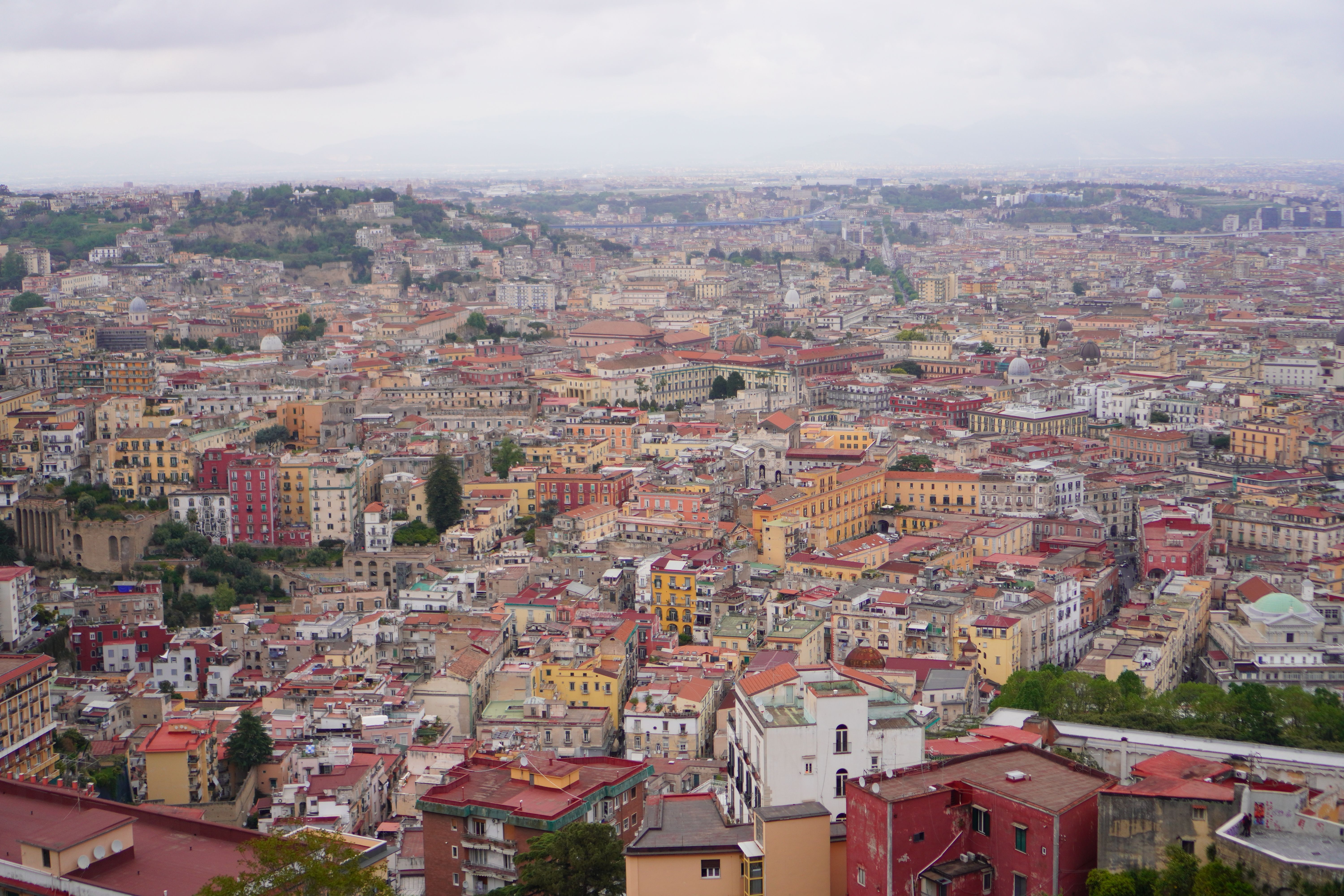
The officially identified intervention zone covers areas of Pozzuoli, Bacoli, and Naples, including Bagnoli and parts of Soccavo, Pianura, and Posillipo. The zone was identified on the basis of seismicity and ground-deformation data.
Civil Protection emergency planning estimates 84,961 residents and 15,516 residential buildings in the zone. Those population and building figures are estimates tied to the cited emergency-planning methodology.
What remains unclear
The available sources document CGIL's assessments and demands, but they do not independently verify the scale of rent increases, the number of eviction proceedings, or the precise employment impact in the area. They also do not establish the later implementation results of the decree's housing and reconstruction measures.
The final legislative text and later implementation therefore remain unclear from this research. What is documented is CGIL's central concern: that protecting productive activities and preventing depopulation should be part of the emergency response, alongside assistance for buildings and displaced households.