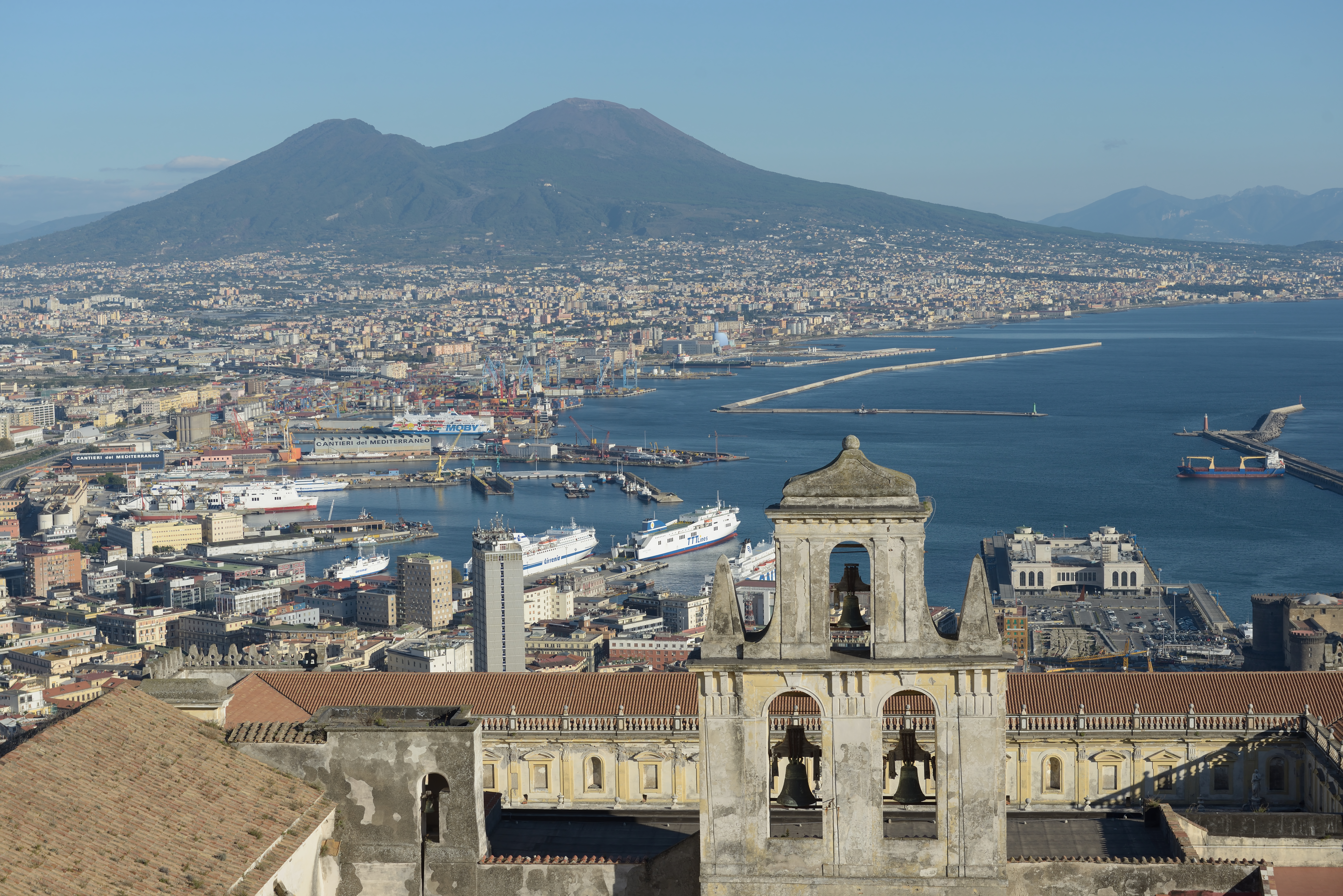
Vittorio Genna, president of the Unione Industriali di Napoli, has described the Darsena di Levante as crucial for the development of the port and the city. His argument is spatial as much as strategic: moving container operations eastward would free port areas that could be used for passenger reception and port services.
The passenger figure cited in the report underlines why that space matters. The port of Naples records almost 11 million passenger movements per year, a figure presented as close to the approximately 13.5 million passengers at Capodichino airport.
What the Darsena di Levante project involves
The completion of the Darsena di Levante is the first phase of a larger reorganisation of Naples' eastern port area. According to a resolution of the Autorita di Sistema Portuale del Mar Tirreno Centrale, the works include the restoration of part of the Vigliena containment basin, dredging of sediments from the port seabed, and securing the containment basin itself.
In physical terms, the Darsena is a large new platform: more than 265,000 square metres of yard with a quay of about 665 metres. The works are reported as intended to allow night-time operation of large container ships.
The project is linked to PNRR-funded interventions for the safety and functionality of the port of Naples.
Environment and rail: the two additions readers should know
First, the environment. The port authority has provided for an environmental monitoring plan with ARPAC covering the phases before, during and after the works. The sources acquired do not detail thresholds or results; they confirm only that monitoring across those three phases is planned.
Second, rail. Completion of the Darsena and connection of the port railway to the national network are indicated together as upcoming steps in the transformation of the port, and as decisive for the port's operating capacity. The sources do not give a firm date for full operation of the Darsena.
What remains unclear
The original report in Il Mattino is available only in part to subscribers, so not all details of the announced discussion with the port authority are available. The research does not establish a certain date for full operation, nor independently verify what container volumes will follow completion.
Authorisations, timing and operating conditions for any further work on the containment basin remain to be verified. Expected employment, logistics and tourism benefits discussed around the project are not quantified by an independent assessment in the sources acquired.