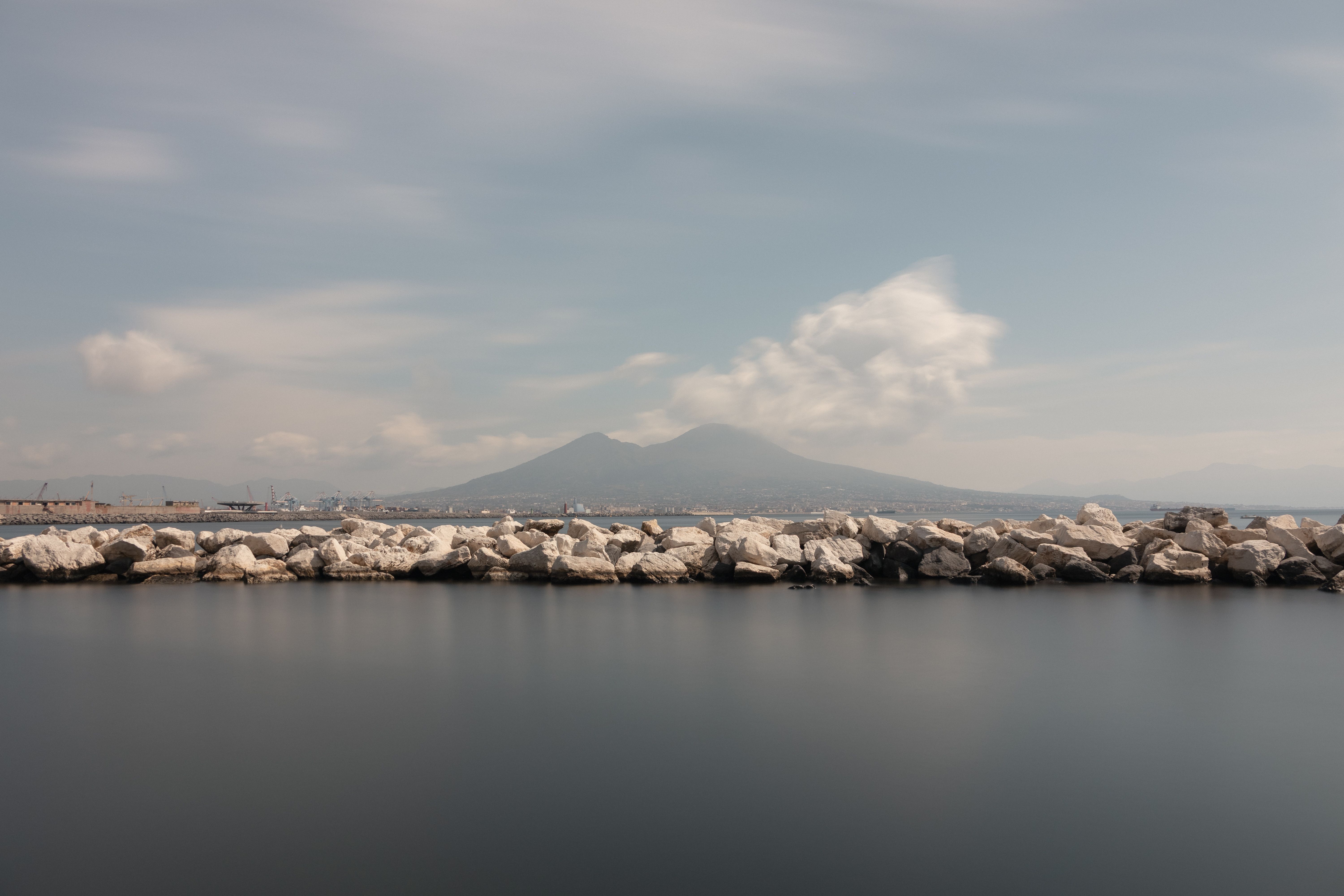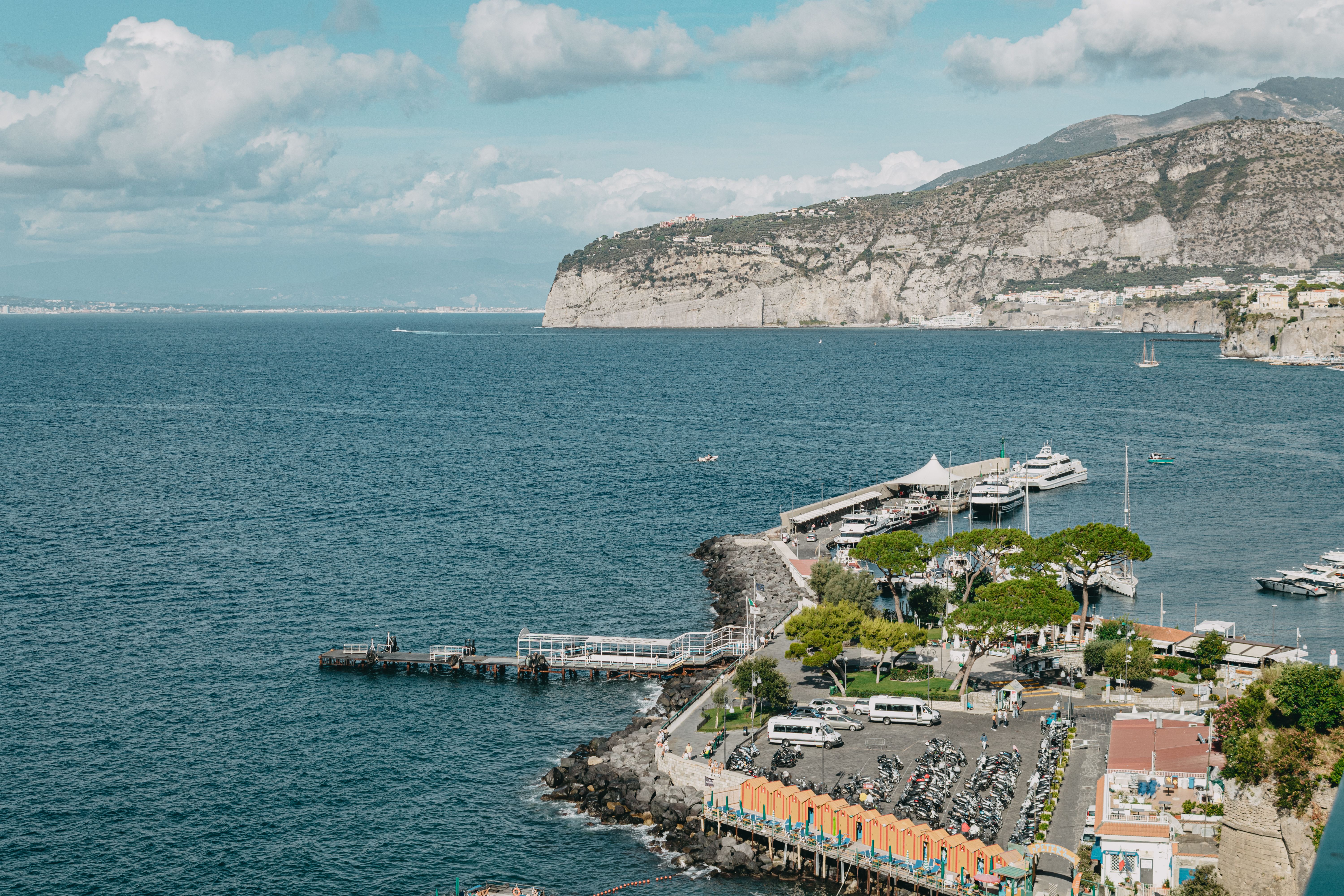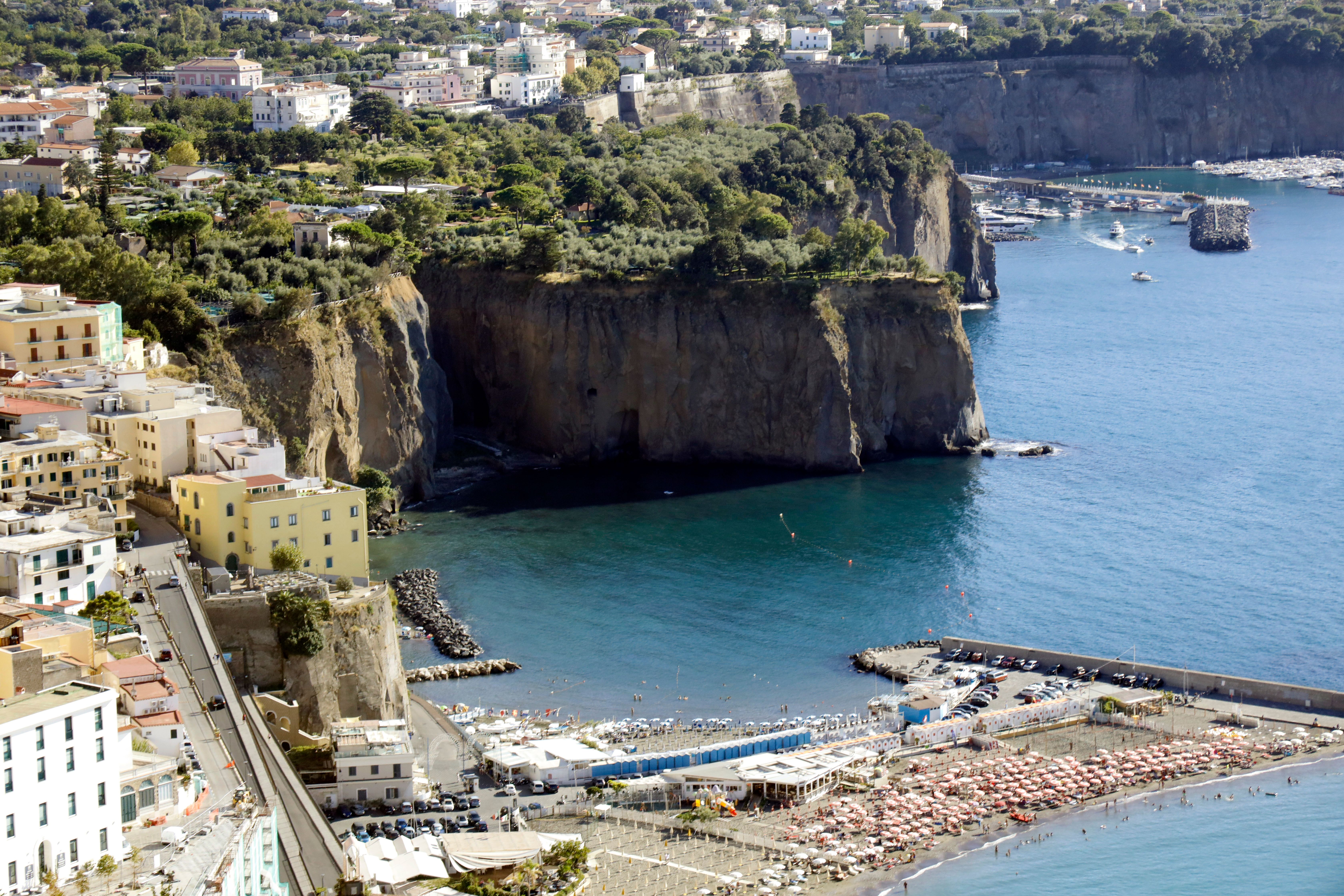
Sorrento is a cliffside town on the Sorrentine Peninsula, overlooking the Bay of Naples at the southern end of a main branch of the Circumvesuviana rail line — which puts Naples and Pompeii within easy reach. With roughly 15,000 residents and a local economy that one longtime guide estimates is 90 percent tourism, it is a compact, walkable gateway to the Amalfi Coast with an unspoiled old quarter, a lively shopping street, and a spectacular setting high above the sea.
The good news for a one-day visit: the town's main sights take only a half to a full day to cover, so you can see Sorrento itself and still have time left over. The best months for the experience are April, May, September, and October.
Morning: Piazza Tasso and the historic center
Start where every classic Sorrento walk begins: Piazza Tasso, the main square and the meeting point of the town, lined with bars and restaurants good for breakfast, an aperitif, or a simple coffee. The square is named for the Renaissance poet Torquato Tasso, who was born in Sorrento; his statue (inaugurated in 1870) stands here alongside a central statue of Sant'Antonino, the city's patron saint. History buffs may enjoy knowing the square was originally called Largo del Castello — a castle from the time of Ferdinand of Aragon once stood where the Sant'Antonino statue is today, until it was demolished in 1843.
Right behind the square, look down into the Vallone dei Mulini (Valley of the Mills), where abandoned mill ruins sit overgrown with vegetation. It is a free, two-minute look from street level; the valley itself cannot be entered, so treat it as a quick photo stop.
From Piazza Tasso, a shaded route climbs Via della Pietà, passing Palazzo Veniero, Palazzo Correale, and the Loggia di vico Galantario on the way to the Cathedral of Santi Filippo e Giacomo. Sources date its origins anywhere from the 11th to the 14th century; all agree its neo-Gothic facade was reconstructed in 1924. Inside, look for the 18th-century nativity scene. Continue along Corso Italia — the wider street of clothing stores and restaurants, past Villa Fiorentino, which has hosted exhibitions of artists including Dalì and Picasso — then double back down Via San Cesareo.
Midday: Shopping, limoncello, and lunch by the sea
Via San Cesareo is Sorrento's main shopping street and one of the town's listed top attractions, packed with craft, leather, sandal, ceramics, souvenir, and limoncello shops — including the frescoed-dome Sedil Dominova. The town is known for ceramics, lacework, and marquetry (fine inlaid woodwork), so these make natural souvenirs; limoncello, the lemon-rind digestif produced locally alongside citrus fruit, wine, nuts, and olives, is the classic take-home.
For tasting, Limonoro bottles on site in the town center and gives free samples, while I Giardini di Cataldo offers a lemon-grove setting. For something sweet, the notable gelato stops are Gelateria David (near the Circumvesuviana station) and Amorino (on Via San Cesareo).
For lunch, head down to Marina Grande, Sorrento's old fishing village of colorful buildings and seafood restaurants, a 10–15 minute walk from Villa Comunale. It is a privileged spot for a meal by the sea, and a bus runs back up to the center if you do not fancy the climb. Local dishes worth seeking out anywhere in town: gnocchi alla Sorrentina (baked in tomato and mozzarella sauce), the limoncello spritz, and delizia al limone.
Afternoon: Viewpoints, beaches, and Marina Piccola
The afternoon belongs to Sorrento's clifftop panoramas. From the Villa Comunale — a large terrace overlooking the gulf — an elevator (small fee) drops down toward the beach clubs. Nearby, the Chiostro di San Francesco, a free 14th-century cloister next to the villa, is one of the most photogenic spots in town and popular for weddings; the Church of St. Francesco is another of the area's top attractions. Continue to Piazza della Vittoria for views over Marina Piccola and the Bay of Naples, with Vesuvius visible on a clear day.
One thing to know before you plan a swim: Sorrento has no sandy beaches. Its "beaches" are wooden or concrete docks lined with lounge chairs and umbrellas — for example Leonelli's Beach, Marameo Beach Club, and Peter's Beach — which charge for the use of their facilities.
Marina Piccola, just below, is Sorrento's ferry port, with departures to Capri, Naples, and the Amalfi Coast; you can reach it from Villa Comunale by the lift or a winding path. If you are staying in town, two museums make worthwhile add-ons: the Museo della Tarsia Lignea (inlaid woodwork) and the Museo Correale di Terranova (archaeological finds, paintings, and porcelain).
Evening: Piazza life and dinner
As the day winds down, Sorrento's evening piazza life takes over. Piazza Tasso fills with locals and visitors alike — the sources call it the meeting point of the Sorrentines — and its bars and restaurants are ideal for an aperitif or a simple coffee as the light fades over the bay. For dinner, Marina Grande remains the classic choice for a meal by the sea.
If you have extra time: day-trip options
With ferries and hydrofoils connecting Sorrento to Naples, Amalfi, Positano, Capri, and Ischia, the town mainly shines as a home base for day trips:
- Capri: an easy ferry ride away, with options including a boat tour, the Blue Grotto, the Monte Solaro chairlift, and Capri town itself.
- The Amalfi Coast (typically Positano, Amalfi, and Ravello): reachable by bus, ferry, private driver, or boat — though traffic jams are worst in July and August.
- Pompeii, Herculaneum, and Vesuvius: reachable by Circumvesuviana or Campania Express train. Note that Vesuvius tickets generally must be purchased online in advance — one recent guide cites a limit of 50 tickets per 10-minute slot — and the volcano last erupted in 1944; check the official park website for current rules.
- Bagni Regina Giovanna: a natural swimming pool beside 1st-century BC Roman villa ruins on the rocky coast, about a 20-minute drive from Sorrento (or reachable by kayak), though public transport access is limited.
- Sant'Agata sui due Golfi, the hillside village "on the two gulfs," is also listed among the area's top attractions.
Practical notes
- Getting there: from Rome, take the train to Naples, then the Circumvesuviana or the seasonal Campania Express train — or a ferry — to Sorrento; a private driver is the alternative.
- When to go: April, May, September, and October are the recommended months.
- Opening hours and entrance fees (cloister, museums, the elevator to the beaches, beach clubs) vary by season, and several facilities close or run reduced service in winter — check current details before you go.
- The town's name traces back to a Greek word meaning "Flowing," a nod to how Sorrento seems to flow over the limestone tuff it stands on. Its Roman name was Surrentum, and the area was home to indigenous villages from the 8th century BC, with the oldest Oscan ruins dating to around 600 BC — in antiquity it was known for temples of Athena and the Sirens.
However you spend the day — old quarter in the morning, a seafood lunch at Marina Grande, clifftop views and a beach-club dip in the afternoon, and an aperitif in Piazza Tasso at dusk — Sorrento delivers its best in a single, unhurried day.