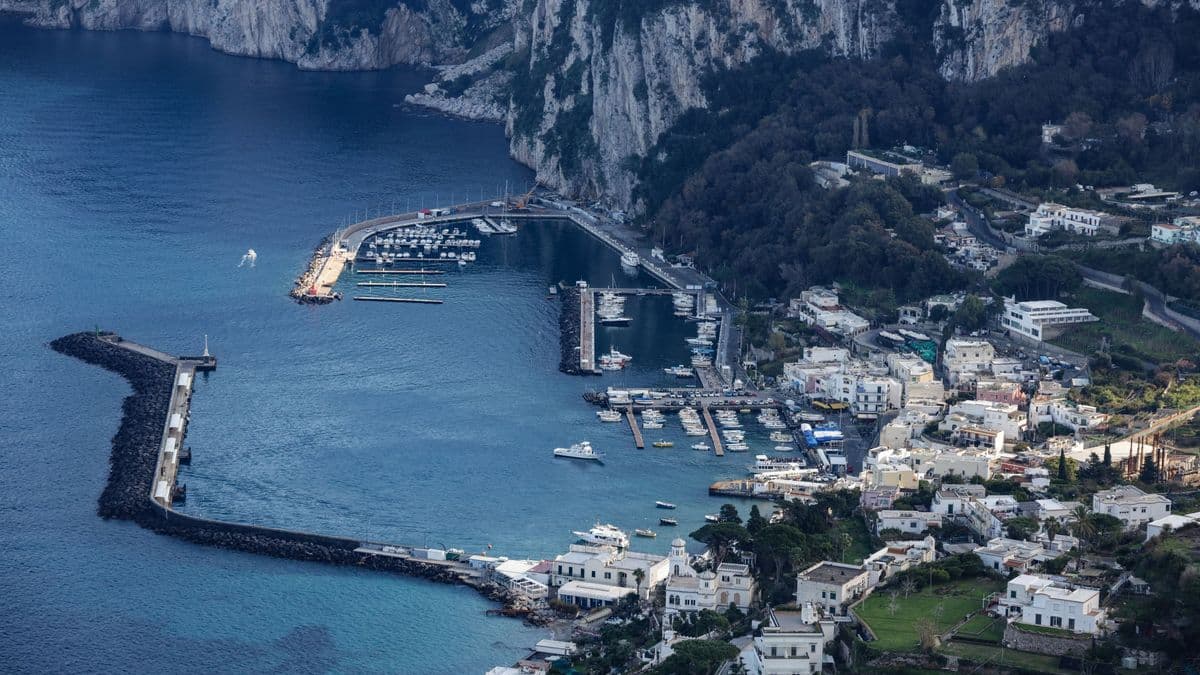
Rocks felt unusually warm to the touch at 20-25 metres during a reported dive near Capri, an observation Capri Press presents as a local sign of broader Mediterranean warming.
No instrument-based temperature measurement or precise dive date was reported for the dive. The observation was reported without a baseline comparison for that site.
According to Copernicus, Mediterranean temperatures are rising faster than the global average. Marine heatwaves are becoming recurring basin-wide events, and they are increasing in frequency, severity and spatial extent.
Those basin-wide conditions are linked to mortality, species shifts and ecosystem disruption, according to Copernicus. The Copernicus assessment describes regional and basin-wide conditions, not the water temperature at the reported Capri dive site.
A two-decade study of 49 shallow populations in the north-western Mediterranean found a 45% median regional biomass decline in the red gorgonian. The authors link the decline to increasingly frequent marine heatwaves and widespread mortality.
The study did not measure Capri's waters. Its sites were in the north-western Mediterranean, so its biomass findings cannot be read as measurements from Capri.
Posidonia oceanica meadows cover approximately 19,000 km² along Europe's Mediterranean coasts, according to Copernicus. The meadows provide habitat, coastal protection and ecosystem services.
Marine protected areas can temporarily reduce heatwave impacts, the study found. Local protection alone cannot offset climate-driven mortality.
The evidence points to combining marine protection, ecosystem monitoring and broader climate action. Protected areas are not a standalone solution on their own.