The San Giovanni di Dio e Ruggi d'Aragona hospital in Salerno has carried out the first retrieval of a heart from a donor after circulatory death in Campania, according to Il Mattino. Hospital manager Nicola Cantone described the operation: «È un intervento ad alta complessità».
The heart was destined for a transplant center in northern Italy. The receiving hospital has not been named, and no information has been released about the recipient or the outcome of the transplant.
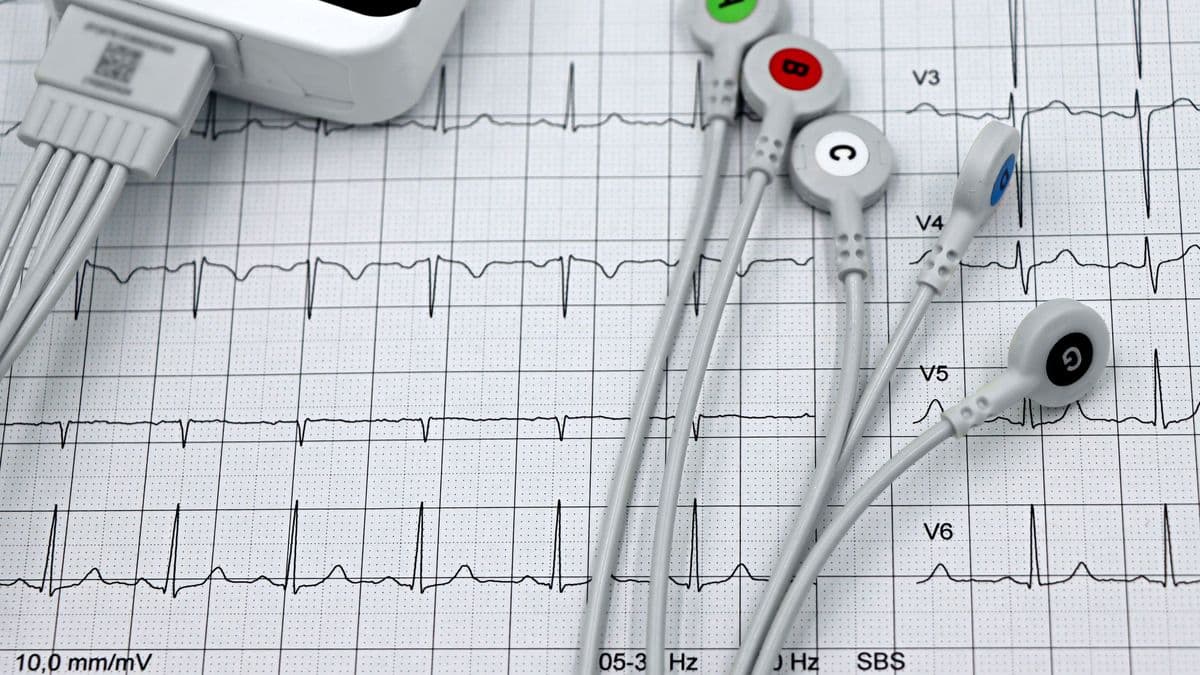
The donation used the DCD pathway, or donation after circulatory death, in which death is determined according to cardiocirculatory criteria rather than neurological criteria. In the protocol described in Italy, the process requires 20 minutes of continuous electrocardiographic recording with no cardiac activity before the next stages of donation can begin.
Preserving a heart retrieved in this way requires perfusion techniques and, for cardiac cases, extracorporeal circulation procedures. Extracorporeal systems help reoxygenate the organs and allow doctors to assess their function, according to reporting on the Monaldi hospital's ECMO team.
The procedure requires coordination among intensive care specialists, cardiac surgeons, anesthetists, nurses, perfusion technicians and the transplant network. The Campania DCD model is based on cooperation between hospitals and specialist teams able to work in different facilities, with the Monaldi ECMO team supporting hospitals across the region in DCD procedures.
Before the cardiac retrieval, Ruggi had already completed a donation after circulatory death involving retrieval of the liver, coordinating teams, operating rooms and the regional transplant network. The two donations were separate cases.
The case shows the Campania transplant network moving toward high-complexity procedures. Comparative official figures on the number of DCD procedures in Campania hospitals are not available, so the record does not by itself show how widely the model is established across the region.