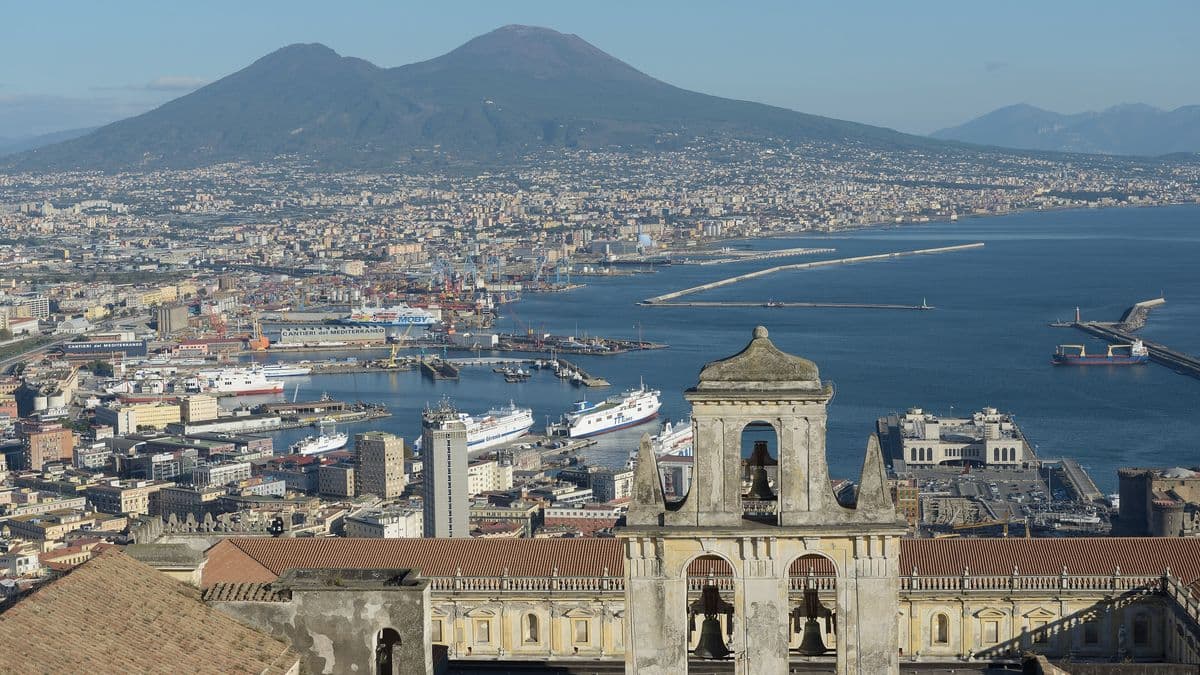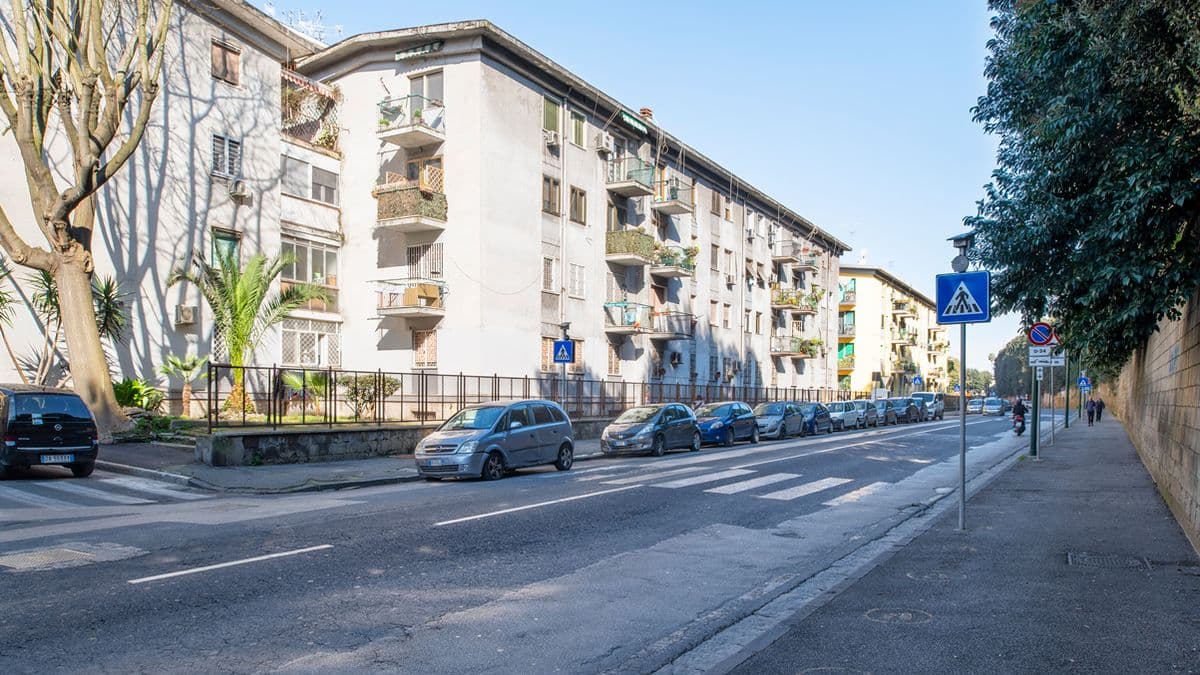
Naples is at the center of Italy's housing debate after Gaetano Vassallo, speaking for Assocasa, said the country needs about 150,000 homes per year to meet demand.
The figure is Assocasa's assessment, not an independently audited national calculation. It was reported by Il Mattino alongside the scale of unmet demand in Campania: more than 40,000 applications for public housing, with another figure in the same report referring to 45,000 applications in the latest regional call.
Campania: tens of thousands waiting
The applications total is a measure of pressure, not a waiting list of immediately eligible households. The research does not clarify how many may be duplicates, ineligible applications, or households requiring immediate allocation.
In response, Acer Campania aims to recover and make about 1,000 homes available across the region, with priority for people in vulnerable circumstances. No detailed delivery timetable or breakdown by municipality was provided in the material reviewed.
Proposed measures discussed by Vassallo include restoring unused public-housing units and converting disused public buildings into social housing without consuming additional land.
Scampia: 507 households counted, 433 replacement homes planned
One of the most closely watched cases is the redevelopment of the Vele di Scampia.
According to Regione Campania, the Comune di Napoli census identified 507 resident households in the remaining Vele buildings, against 433 replacement homes planned by the end of 2026. The sources do not establish whether those 433 homes will fully meet the needs of all 507 counted households.
For readers following Scampia, the key point is relocation: the redevelopment involves moving households identified by the municipal census into replacement housing, rather than simply demolishing the buildings.
Tourism and the historic centre
The shortage is not only a question of public housing stock. Reporting on Naples links housing pressure to population loss and the growth of tourist accommodation, including B&Bs and holiday rentals that have removed housing from residential use, particularly in the historic centre.
The picture that emerges is a combination of structural shortages in public and affordable housing with pressure from tourism and short-term rentals.
The Comune di Napoli has also advanced six housing projects backed by 33 million euros, reported by Il Sole 24 Ore. Their implementation status, completion dates, and final number of beneficiaries were not fully detailed in the material reviewed.
What to watch next
For residents and applicants, three developments matter most: whether Acer Campania delivers the planned recovery of about 1,000 homes and where those homes become available; whether the Scampia replacement programme covers the households counted in the census; and how the six municipal projects backed by 33 million euros proceed.
The 150,000-homes figure describes the national scale as seen by Assocasa. In Naples and Campania, the emergency is more concrete: tens of thousands of applications, a limited recovery programme, and neighbourhoods where tourism has reduced the homes available to residents.