Local leaders of Italy's centre-right in Castellammare di Stabia have written to Gabriel Zuchtriegel, director of the Archaeological Park of Pompeii, asking for the opening and enhancement of the Grotta di San Biagio, a closed underground site with early Christian frescoes.
According to Metropolis Web, the letter was signed by the local coordinators of Forza Italia, Fratelli d'Italia, Noi Moderati and Lega Salvini Premier. The extraordinary commission governing Castellammare di Stabia was copied on the appeal.
The request focuses on a familiar problem: the cave is currently inaccessible. The Pompeii Archaeological Park lists it as non-visitable, and the Sorrento-Castellammare diocesan tourism service likewise describes it as currently closed.
The political appeal calls for public funds to be used urgently to secure the hypogeum and conserve its frescoes. No verified response from Zuchtriegel or the Archaeological Park to the 27 October 2026 letter has been established.
Why the cave matters
The Grotta di San Biagio, also known as the Hypogeum of Saints Jason and Mauro, is an underground historical and religious site associated with early Christian use and a cycle of sacred frescoes.
Metropolis describes frescoes dated between the sixth and eighth centuries AD. That chronology should be treated with caution: the Archaeological Park records differing scholarly datings for both the frescoes and the cave's transformation into a Christian place of worship, so the precise chronology remains unsettled.
What is clearer is the site's layered history. The diocesan tourism service and the Archaeological Park trace it to a Roman-era tuff quarry, later reused as an early Christian cemetery. The Park describes a subsequent adaptation as a Christian oratory, dated broadly to the fifth or sixth century.
A 23-metre nave in the Varano area
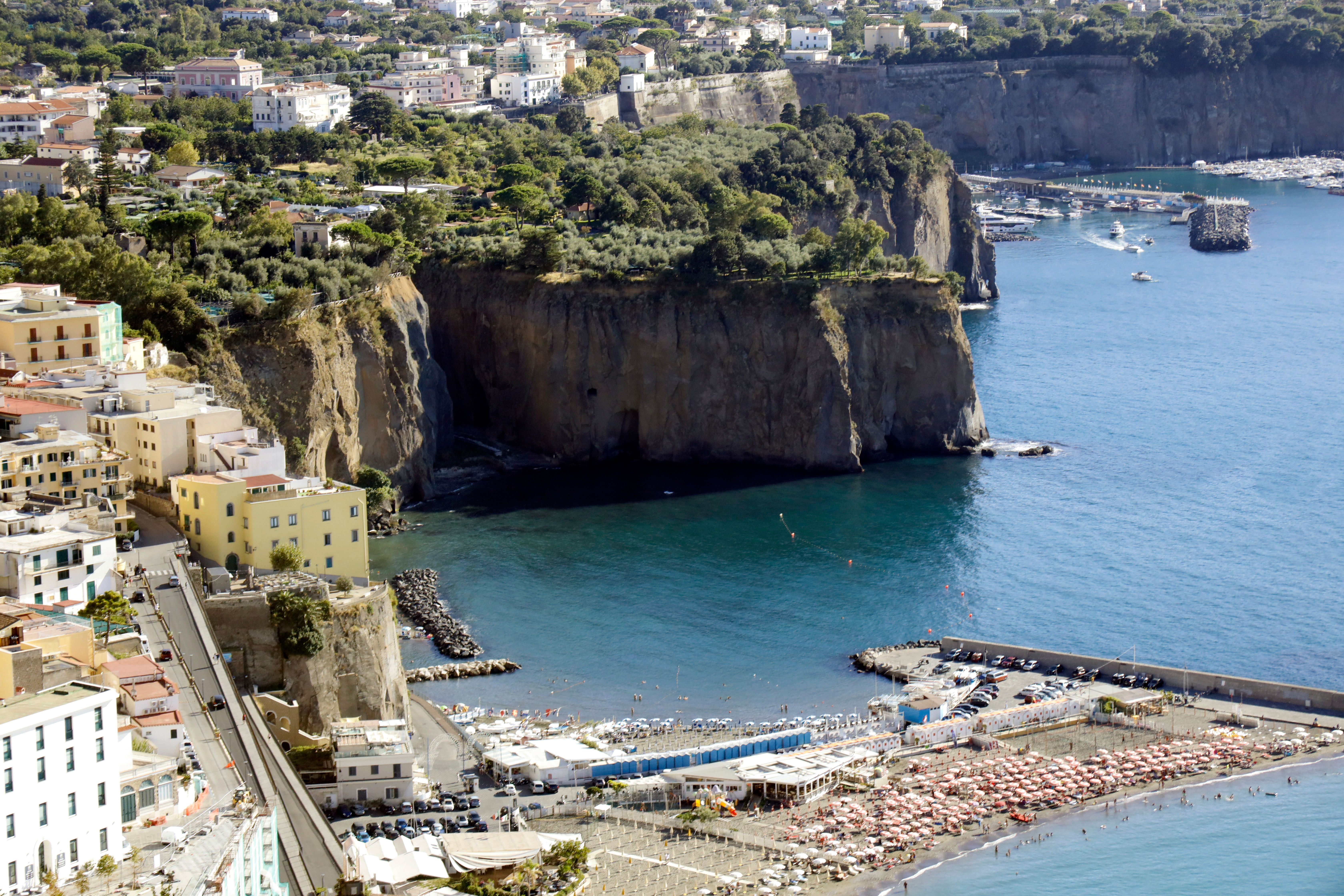
For visitors trying to place the site, the cave lies in the Varano area of Castellammare di Stabia, beneath or near the ancient villa sites of Stabiae.
The Archaeological Park describes a nave about 23 metres long, with seven lateral niches, some containing masonry sarcophagi. Together with the surviving traces of sacred painting, that layout explains why local advocates present the hypogeum as both an archaeological and a devotional site rather than a minor cavity.
Stability works were a first step toward reopening
The letter does not arrive without precedent. In 2022-2023, stability monitoring and technical investigations on the Varano ridge and the cave vault were linked to a future consolidation, restoration and reopening project.
That work was reported as involving the Pompeii Archaeological Park and the Cibec centre of Federico II University, with investigations preparatory to consolidation, restoration and future public access. The current status, completion and results of those planned works are not established in the sources available for this article.
What would need to happen next
The centre-right coordinators are asking, in essence, to move from investigation to access: secure the structure, protect the paintings and make the hypogeum visitable.
Whether that can happen soon depends on questions that remain unverified. There is no confirmed timetable for consolidation and restoration, no confirmed agreement on practical access arrangements in the Varano area, and no independently verified institutional reply to the latest appeal.
For now, the Grotta di San Biagio remains closed: a documented Roman quarry turned early Christian cemetery and oratory, with sacred frescoes still out of public reach, and with its future resting on conservation decisions rather than political requests alone.