Residents of Piazza Miraglia continued their housing protest in Naples on 11 November 2026, marching through Port'Alba toward Piazza Dante with megaphones and banners.
According to Il Mattino, the demonstrators chanted "mai più senza casa" — never again without a home — demanding that they not be left without housing. The Port'Alba march was reported as the latest action in a series of protests, following an earlier demonstration at Naples Cathedral.
Eviction at the centre of the protest
The protest concerned the threatened eviction of vulnerable residents from a building in the historic centre of Naples.
ANSA reported that committees and residents had appealed against the planned eviction of elderly people, women and other vulnerable families from the property. The residents asked that they not be put back on the street and sought a solution that would protect people at risk.
The building is owned by the Servants of Mary religious order, according to the reporting. Anteprima24 reported that the building had been occupied by fragile families for about ten years.
A mediation meeting at the Prefecture did not resolve the dispute. Anteprima24 reported that the talks ended without agreement and that the eviction was confirmed for 11 November 2026.
Where this is happening
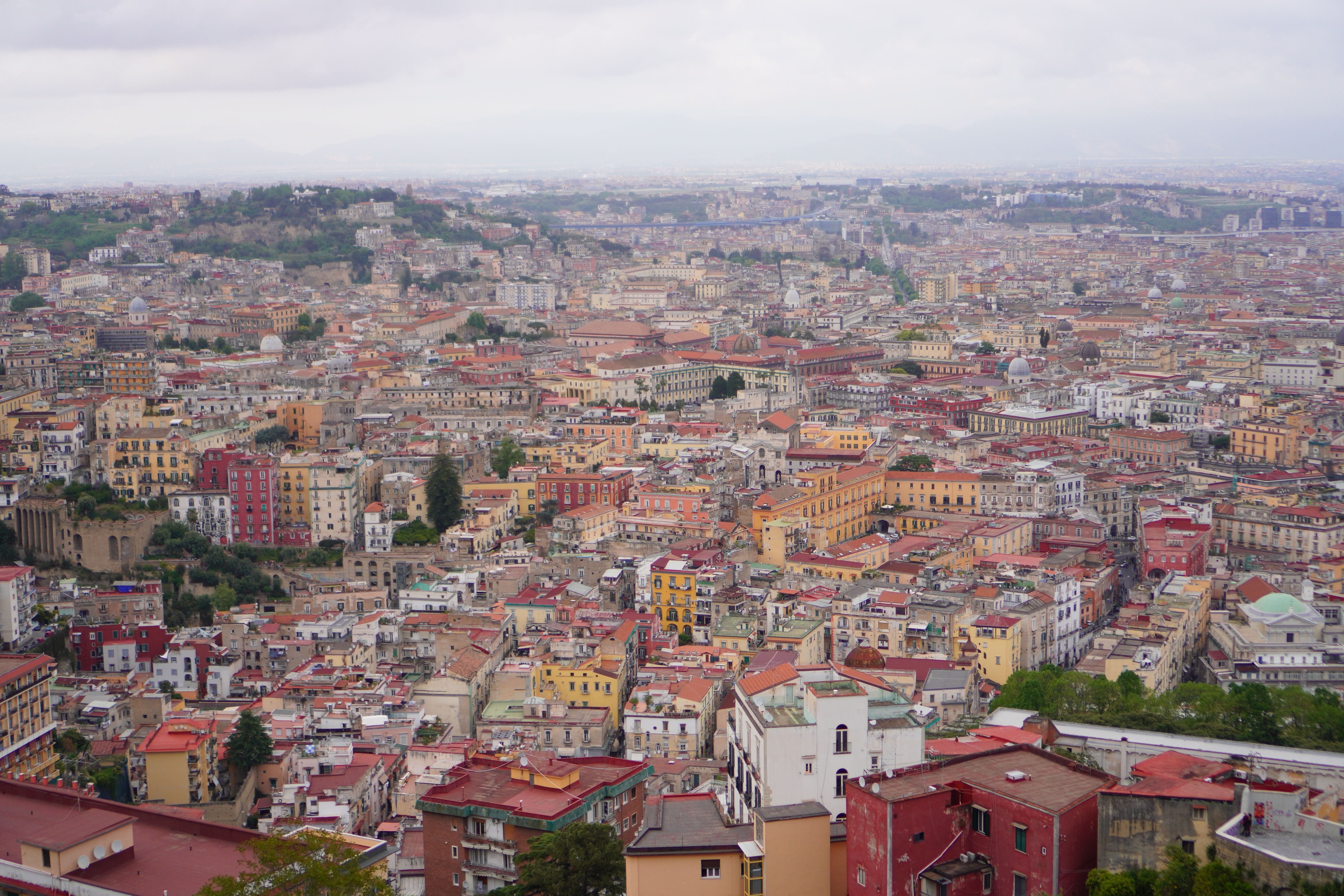
The documented protest route ran from Port'Alba toward Piazza Dante, in central Naples. The housing dispute concerns a historic-centre building in Piazza Miraglia.
A wider dispute over housing in central Naples
Organisers framed the Piazza Miraglia case as part of a wider struggle over housing rights, tourism pressure and the exclusion of lower-income residents from central Naples.
That broader framing places the protest in the context of Naples' current urban policy debate. The city's preliminary urban plan describes regeneration as involving social mediation, culture, sport and services, rather than only physical building works, with the stated goal of making public spaces more inclusive.
The Piazza Miraglia protest raises the same question in practical terms: how inclusive redevelopment policies apply when vulnerable households face removal from the historic centre.
What remains unclear
The available reporting does not independently establish the final outcome of the eviction operation after the protest.
The exact number of people living in the building is also not consistently established in the documents acquired. The reporting reflects claims and positions from residents, activists and committees; a detailed response from the property owner is not included.
It is likewise unclear from the available documents whether alternative housing placements were offered or implemented before the reported eviction date.