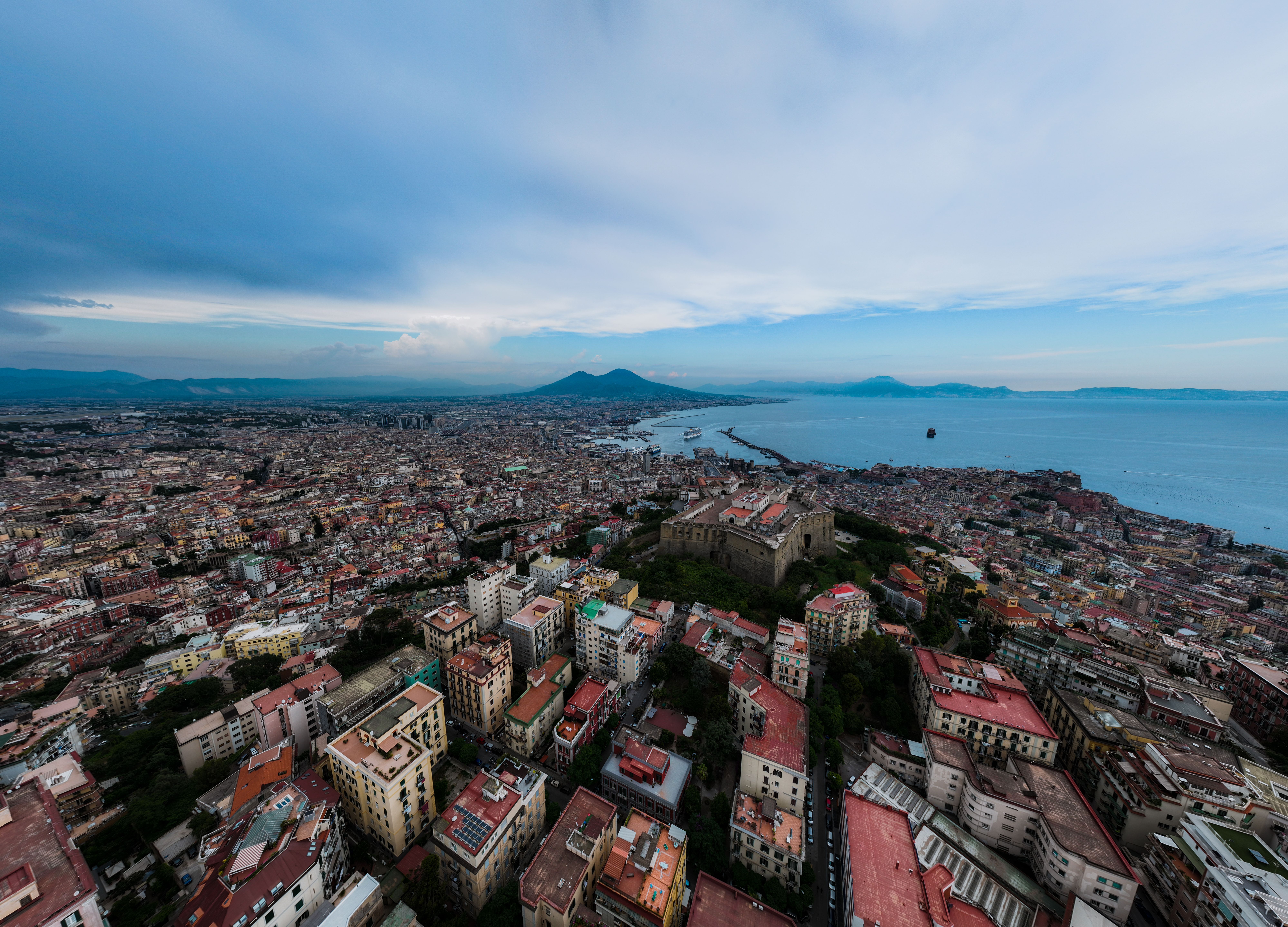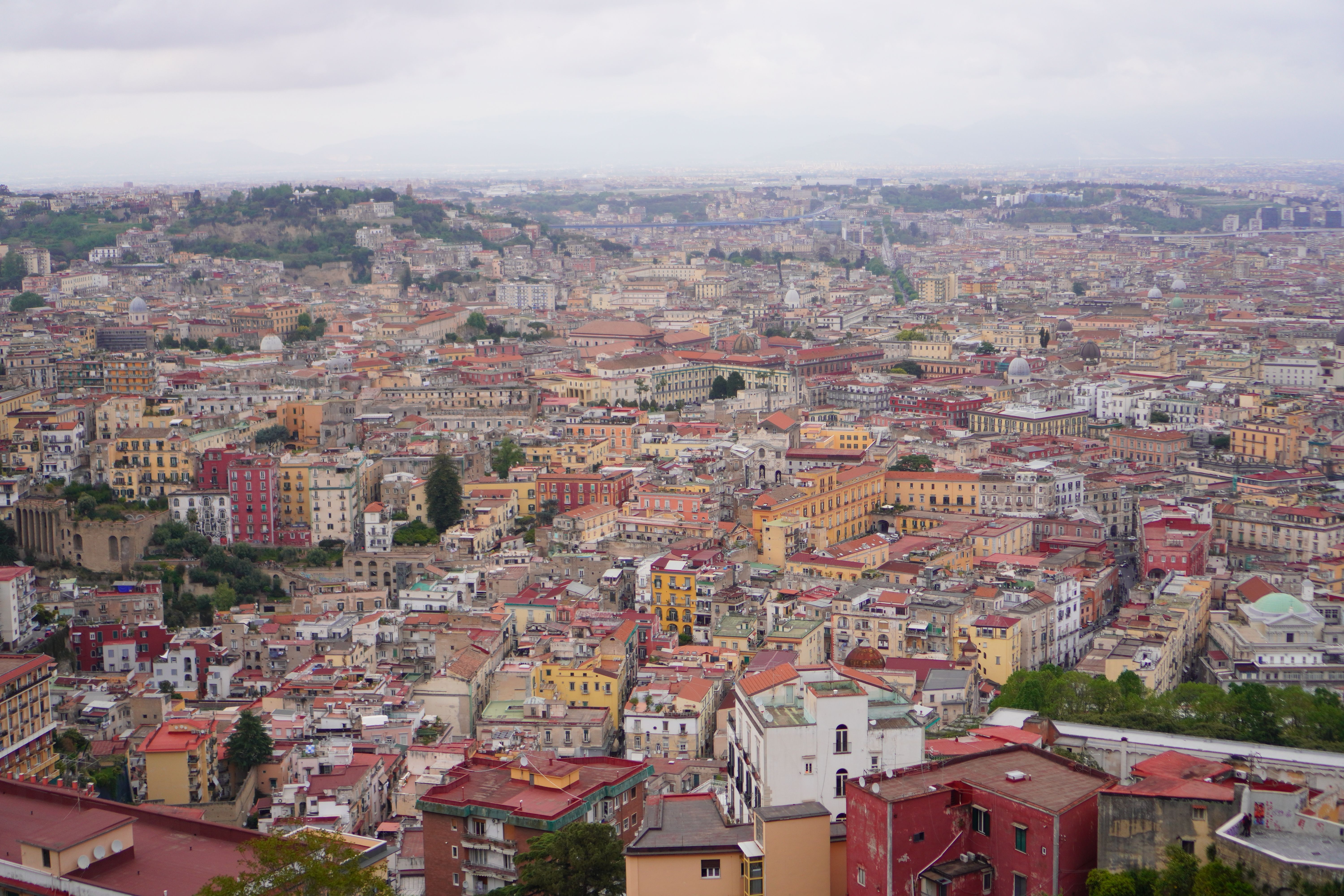
Lucia Pappalardo of the National Institute of Geophysics and Volcanology (INGV) says that while ground uplift linked to bradyseism continues at Campi Flegrei, earthquakes of significant or even high magnitude remain possible. She also cautions that the timing and size of individual earthquakes cannot be predicted.
The message is twofold: the possibility of stronger shaking cannot be ruled out during an active bradyseismic phase, but current observations do not allow scientists to say when or where a particular earthquake will occur.
What Pappalardo said
According to the interview reported by Il Mattino, Pappalardo addressed recent concern about seismic activity in the Campi Flegrei caldera.
Her central points were:
- Earthquakes cannot be predicted in terms of probability and timing for a specific event.
- As long as bradyseism continues, earthquakes of significant or high magnitude remain possible.
- Variations in gas measurements and ground deformation are connected to processes in the volcanic and hydrothermal system, but they do not necessarily correspond directly or immediately.
That distinction matters. Ongoing uplift does not provide a forecast for the next earthquake, but it does keep stronger earthquakes within the range of what residents should be prepared for.
Ground uplift and gas readings in context
The reported average ground-uplift rate was approximately 10 millimetres per month from February 2026.
Pappalardo also addressed a reported near-doubling of carbon dioxide measured at monitoring station FLXOV8 at Pisciarelli. She described it as a localized variation at that station, not an increase in total carbon dioxide emissions from the entire Campi Flegrei area.
In other words, a higher reading at one monitoring point does not by itself establish a broader increase in emissions or a change in the overall bradyseismic trend.
Similarly, she cautioned that changes in degassing and changes in ground deformation should not be read as having a simple, immediate one-to-one relationship, even though both relate to the volcanic and hydrothermal system.
What bradyseism means at Campi Flegrei
INGV describes Campi Flegrei as a volcanic caldera characterized by fumarolic activity, seismicity and periodic ground uplift and subsidence known as bradyseism.
A new bradyseismic phase has been underway since 2005, according to INGV. The alert level for the area is yellow.
For readers, this helps explain why scientists discuss earthquakes, ground movement and gas together: they are different observable parts of the same caldera system. A change in one indicator does not automatically mean the others will change at the same time or at the same rate.
Research on the crust beneath the caldera
INGV also reports research focused on a mechanically weak layer in the Earth's crust beneath Campi Flegrei that may help explain ground deformation and seismic activity associated with bradyseism.
The study does not change the operational picture described by Pappalardo. It is presented as research intended to improve understanding of bradyseism, not as a predictive tool for future earthquakes.
What remains uncertain
Several important limits were explicit in the research:
- The timing, location and magnitude of future earthquakes cannot be predicted from the observations described.
- The localized carbon dioxide increase at station FLXOV8 does not establish a broader emissions increase.
- Degassing, hydrothermal changes, ground deformation and seismicity are connected, but not in a simple immediate relationship.
- The supplied material does not establish that an eruption is imminent.
Residents and visitors should therefore treat continued bradyseism as a reason to stay informed through official INGV updates and civil-protection guidance, rather than as a timetable for the next earthquake.