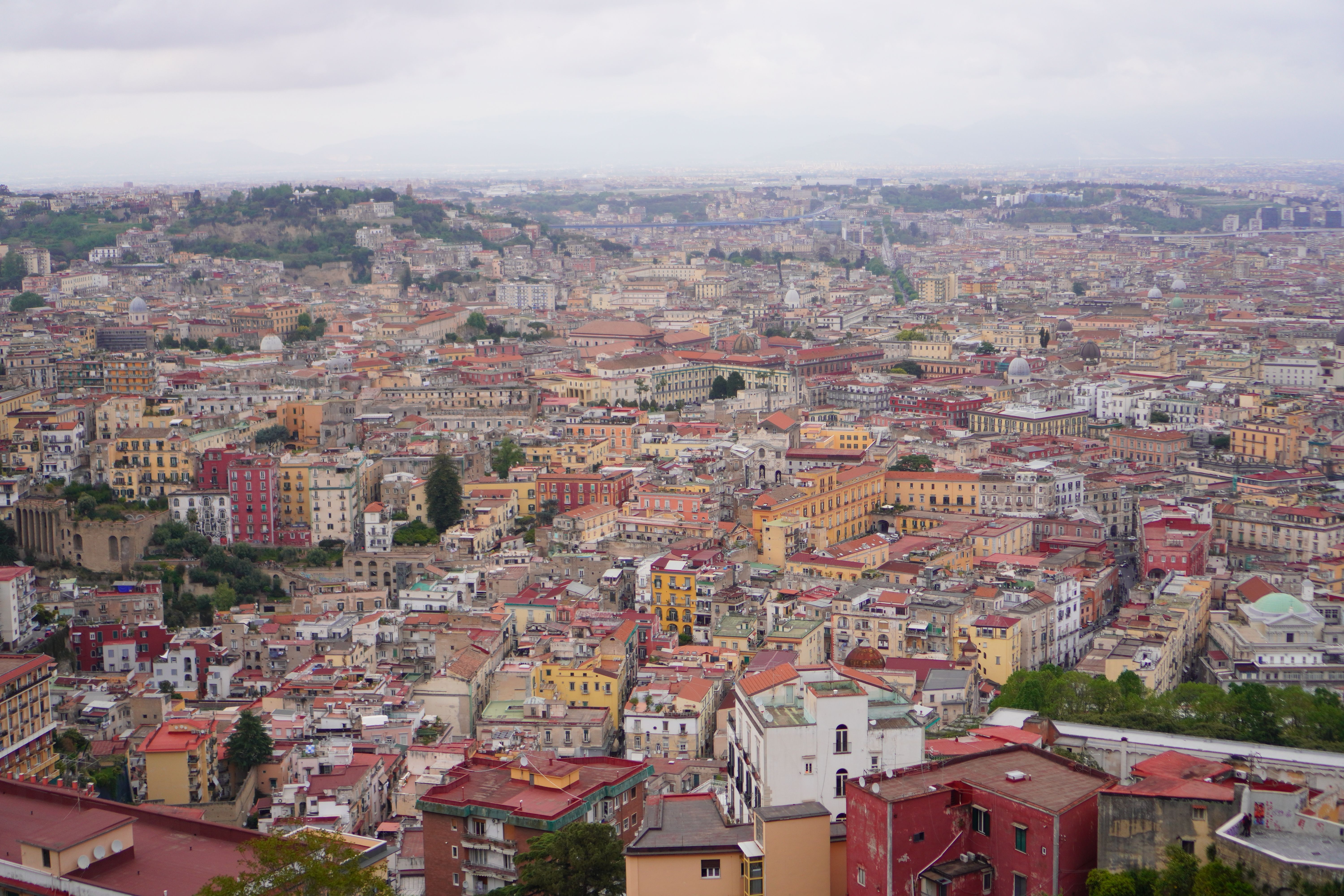
A municipal order in the French town of Thizy-les-Bourgs restricting laundry hung where it can be seen from public roads has prompted criticism and a public response from Naples councillor Carlo Puca, after the French municipality used Naples as a negative comparison.
What happened in Thizy-les-Bourgs
The municipality of Thizy-les-Bourgs adopted an order restricting laundry and other objects displayed on balconies, windows and facades visible from public roads.
The order was signed on 8 September 2026 and publicized on 17 September, according to French reporting. It applies across the municipality, although the town centre was identified as the main area of concern.
Mayor Rémi Berthoux presented the measure as part of a broader effort to improve the town's appearance, revive its centre and strengthen its attractiveness. The town's message that "we are not in Naples" was reported as part of the justification for the rule.
What the order covers
Under the reported wording of the order:
- Laundry and other objects may not be placed on balconies, windows and facades where they are visible from public roads.
- Drying racks that remain below the height of a balcony railing are permitted.
- Contraventions are provided for, but the amount of any fine was not specified in the reporting acquired.
The full official text of the municipal order was not acquired from the municipality, so this summary reflects the order as described in independent French reporting.
Naples responds
Puca criticized the use of Naples as a negative urban counterexample. He described Naples as a complex metropolis with more than two millennia of history and defended drying laundry outdoors as an everyday practice in the city.
The exact date of Puca's social-media response was not stated in the acquired Il Mattino article.
Why the comparison drew attention
The dispute is not only about laundry. Thizy-les-Bourgs framed visible laundry as an issue of town image and attractiveness, while Puca objected to presenting Naples as shorthand for urban disorder.
In that sense, the episode contrasts two views of public space: one that treats visible domestic life as something to tidy away from streets and facades, and another that treats it as part of ordinary city life.
What remains unclear
Several points were not established by the acquired documents:
- The amount of any applicable fine and whether any enforcement actions have followed.
- The legal status of the order after the media controversy.
- The complete official wording beyond what was quoted and summarized in French press coverage.