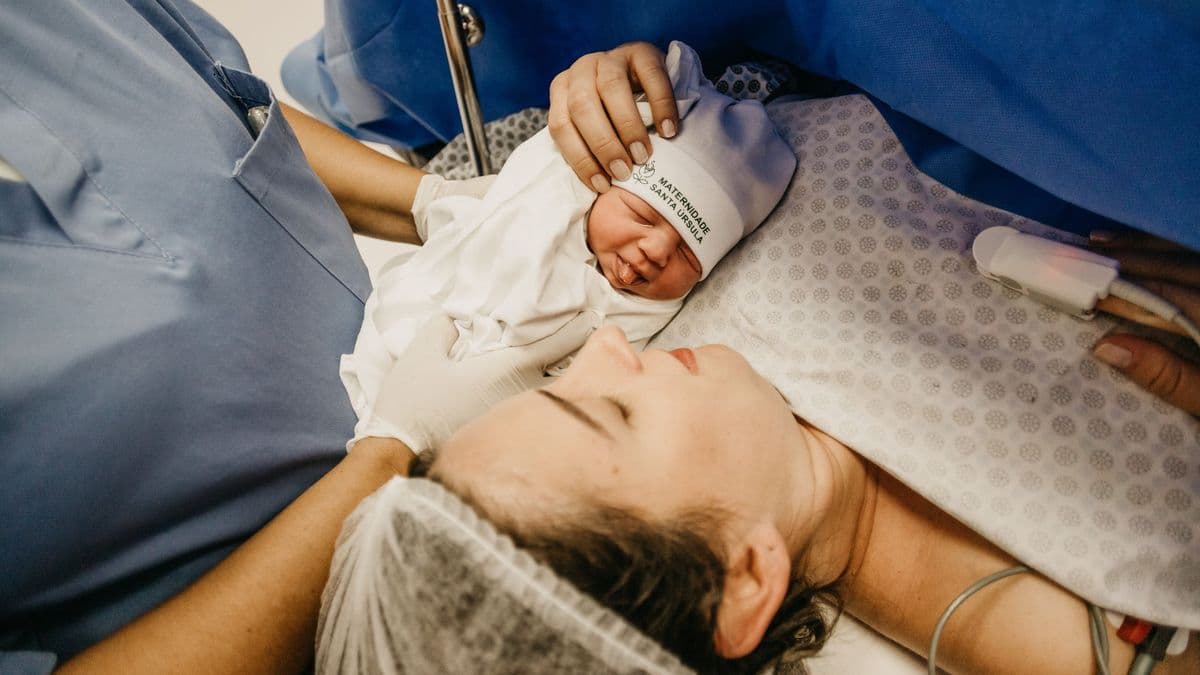
Campania has launched a full reorganisation of its birth centre network, covering public and private facilities, with the stated aims of safer deliveries, better quality of care and a more balanced territorial distribution, according to the Regione Campania.
The regional government has approved the plan “Gravidanza protetta e parto sicuro” and started a survey of all 49 public and private facilities in Campania. The Region said all facilities will undergo checks of their requirements within 90 days.
The San Giovanni Bosco and San Paolo hospitals are named among the first public birth centres to be upgraded, including through expanded access to epidural pain relief during labour. The Region has not published the full text or number of the approved measure.
The Region also plans to set up two technical bodies and to define the first regional Percorso Nascita within six months. The content of that pathway and the results of the 90-day checks are not yet available.
For Sapri, Sessa Aurunca and Piedimonte Matese, any exemptions will be assessed only after the checks required by the measure. The Region has not said which facilities will be closed, converted or retained under exemption, nor has it published the breakdown of the 49 facilities between public, accredited private and non-accredited private operators.
The reorganisation refers to shared organisational, technological and operational standards centred on the safety of mother and newborn, according to the Ministry of Health document on birth centre assessment. That document places shared protocols for maternal and neonatal resuscitation at the centre of safe care.
Planning is also to be linked to the neonatal care network and to assisted emergency transport for mothers and newborns, known as STAM and STEN. Under the national agreement, the reference standard is 1,000 births per year, while units below 500 births per year may be retained only for justified geographical reasons and with adequate network safeguards.
Updated regional figures on delivery volumes, travel times, clinical outcomes and STAM and STEN capacity were not included in the announcement.