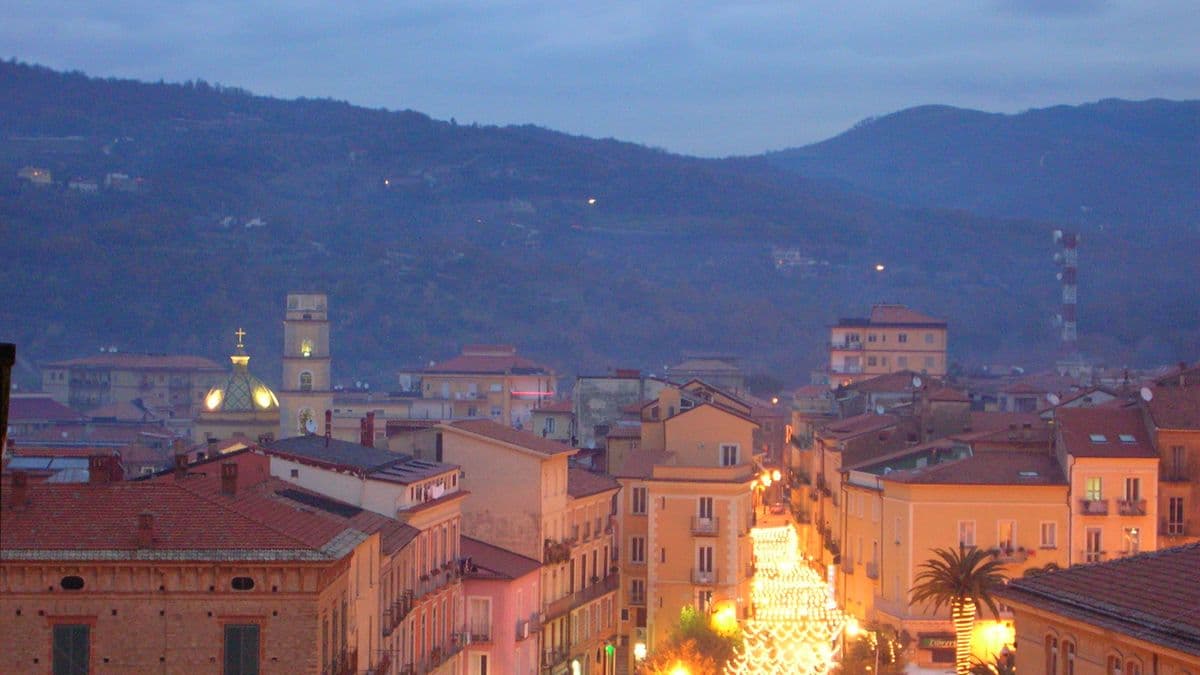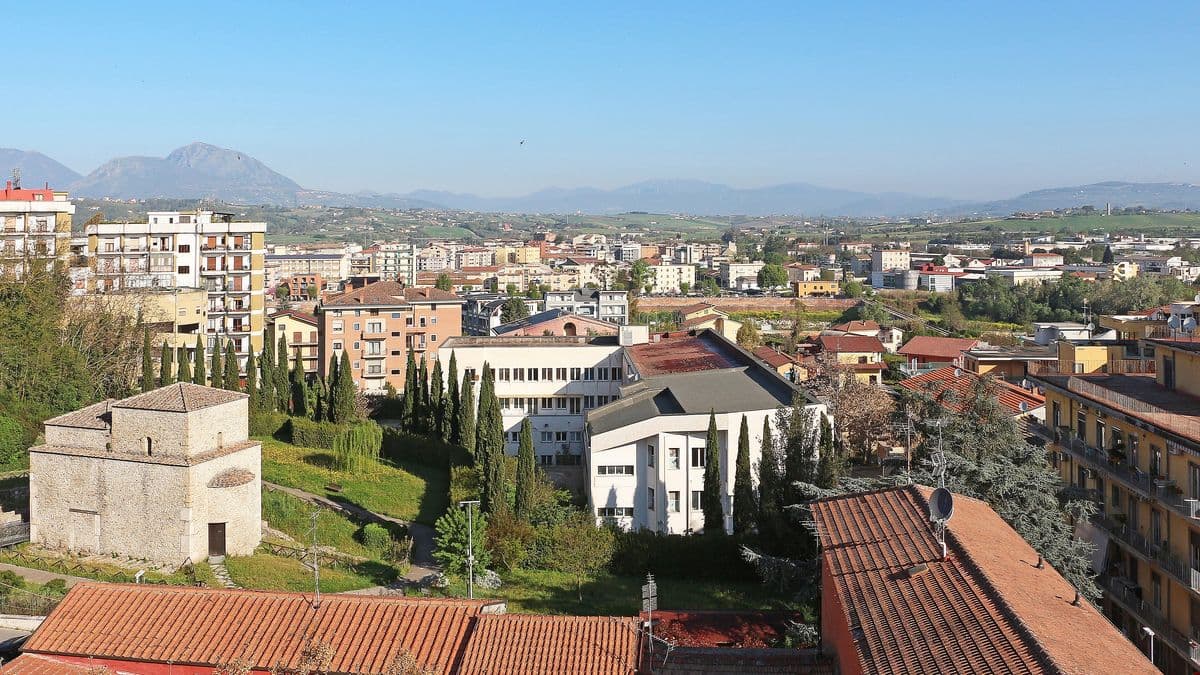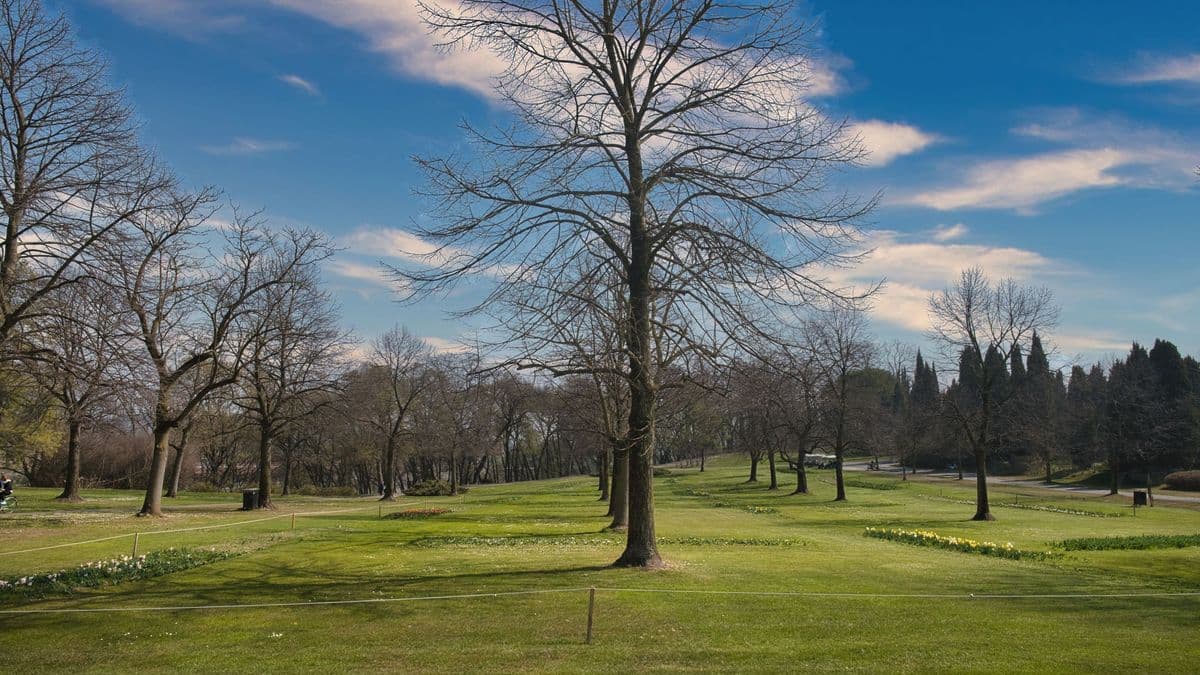
Avellino is Campania's greenest provincial capital by tree-canopy coverage, but that cover does not reach all streets equally. Legambiente put canopy coverage at 41.3%, with 246.61 square metres of canopy per resident, according to IrpiniaNews.
The same report records 17 public trees per 100 residents, below the cited national average of about 24. The gap points to the central contrast in the city's green profile: extensive canopy overall, including wooded and peripheral areas, alongside thinner street-level greenery in parts of the built-up city.
Legambiente has set out five areas for action in Avellino. They are strengthening the municipal green-space regulation, planning new planting and maintenance, applying tree-protection legislation and recognising monumental trees, protecting the plane trees on viale Italia, and expanding citizen participation.
Planting would prioritise streets, squares, schools and neighbourhoods most exposed to heat. The proposals also call for removing impermeable surfaces and recovering permeable soil.
Disease affecting the plane trees on viale Italia is addressed separately. Legambiente calls for protection of the existing trees and replacement of diseased specimens. It is not yet known whether that replacement programme has been approved or funded.
The heat argument comes from a Legambiente Campania thermal analysis reported by Giornale l'Irpinia. It identified three heat zones in Avellino, with land-surface temperatures reaching about 50°C in the Pianodardine industrial area, about 44°C in the consolidated urban centre and about 43°C in the peri-urban belt.
Those figures are land-surface temperatures measured by Landsat 8 and 9 during summers from 2015 to 2025, not air temperatures. The analysis links higher surface heat to asphalt, limited street trees and impermeable surfaces.
For climate adaptation, the proposals include a permanent municipal coordination table and the integration of climate data into urban planning. Other measures are more permeable surfaces, green corridors linking parks and schools, and a network of accessible climate shelters.