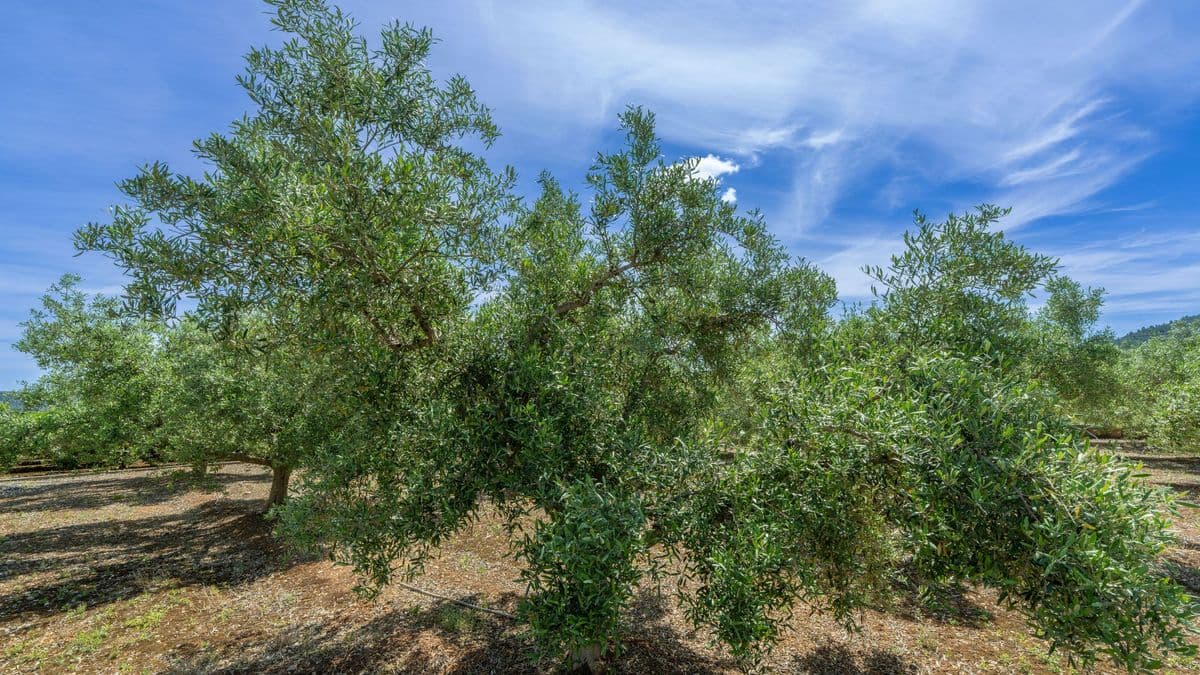
An Anacapri meeting presented a three-year research project on the most effective pollinators for the Minucciola cultivar, carried out with the Institute of Biosciences and Bioresources of the CNR in Perugia.
The goal is to identify native pollinating plants that can make new olive groves more self-sufficient, improving the regularity and abundance of harvests, according to Capri Press.
The work focuses on a central biological constraint. Minucciola belongs to compatibility Group 1 and needs cross-pollination from trees in a separate reproductive group to produce regular and consistent crops, according to the CNR-L'Oro di Capri study reported by PrimaCampania.
Researchers have not yet named which Group 2 genotype is the best pollinator for Minucciola. No comparative harvest figures before and after the recommended pollination arrangements have been reported.
The project builds on earlier genetic work on the island. DNA analyses identified more than 30 local genetic varieties on Capri, including Minucciola and Throumbolia.
The Anacapri project links higher yields with protection of local biodiversity and recovery of an agricultural and landscape heritage.
Water management is a second decisive factor for yields. The CREA reports that the olive tree tolerates water shortages, but excessive water stress reduces oil production.
In particular, water deficit during flowering or fruit set can limit production, while controlled irrigation can reduce water losses, according to the CREA.
Yield depends on a combination of factors: variety choice, planting density, soil management, pruning, irrigation, climate conditions and plant health protection.
Correct canopy aeration and light, together with pruning, contribute to the quantitative and qualitative balance of production, according to the CREA olive-growing guide.
The drought tolerance of Capri's local varieties remains a potential to be tested rather than an established result of comparative trials on the island. The available findings describe an ongoing research project and public meeting, not conclusive results validated over several production cycles.