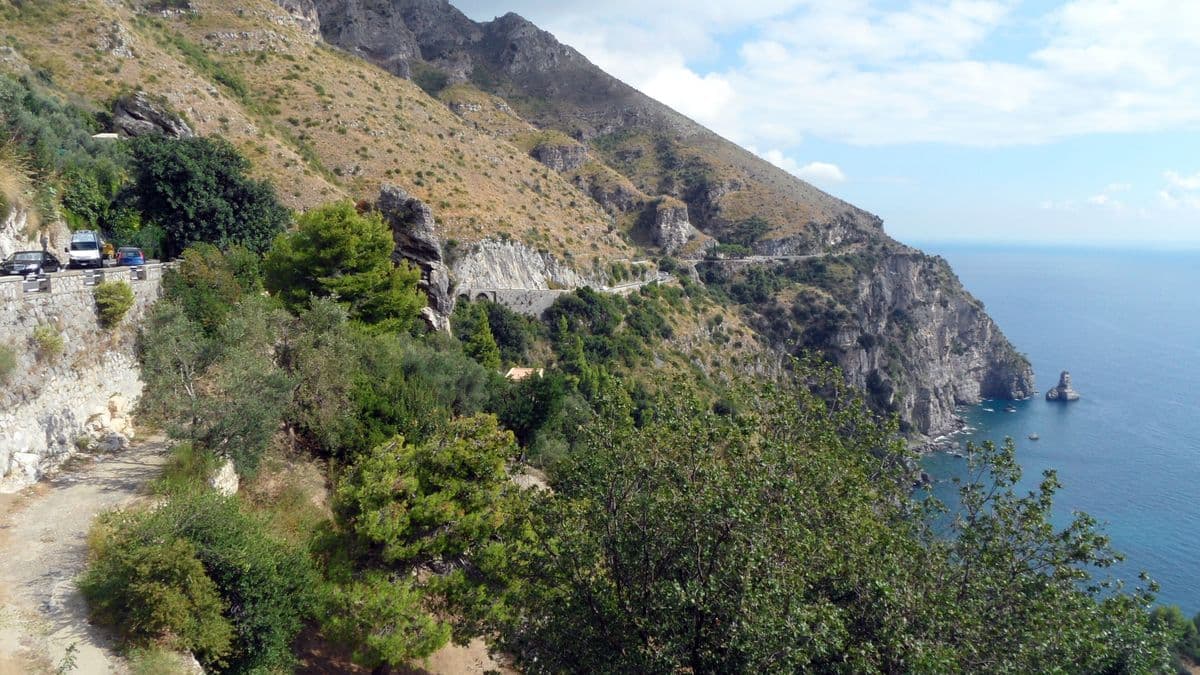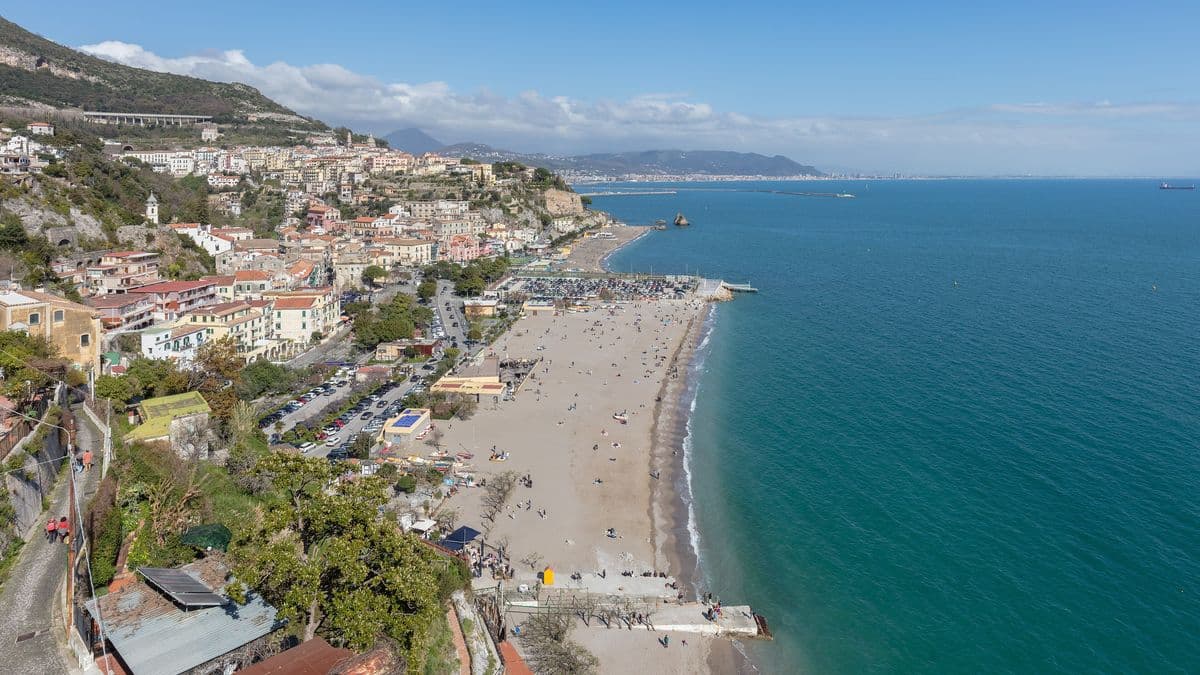
The 23 November 1980 Irpinia earthquake remains part of collective memory in Piano di Sorrento, along the Amalfi Coast and across the Sorrento Peninsula, according to Positanonews.
The earthquake, of magnitude 6.9, affected Campania, Basilicata and marginally Puglia, according to Italy’s Civil Protection Service. The official toll is 2,734 deaths, while a CNR-authored scientific review summarizes the toll as more than 2,700. The Civil Protection Service says 688 municipalities were severely damaged, and the scientific review describes extensive destruction across hundreds of municipalities, with surface faulting and numerous earthquake-triggered landslides.
According to Positanonews, the disaster is remembered locally for deaths and damage in Piano di Sorrento and the coastal area, and for solidarity and practical assistance linking Ravello with Santomenna and Positano with Sant’Angelo dei Lombardi.
Early rescue efforts were hindered by disrupted communications, blocked transport routes and a lack of coordination between volunteers, regional structures and local authorities, according to the Civil Protection Service. The service says the earthquake exposed major coordination failures in the initial response.
That institutional failure had a lasting consequence. According to the Civil Protection Service, the post-earthquake response contributed to the later development of Italy’s Department of Civil Protection.
The earthquake also generated decades of research on seismic effects, building vulnerability, landslides, site conditions and microzonation, according to the CNR-authored review. The review describes the earthquake as one of Italy’s strongest, with destruction that prompted sustained study of ground behavior and building performance.
Irpinia remains one of Italy’s highest seismic-risk areas, according to the National Institute of Geophysics and Volcanology. The institute reports a near-fault observatory using dense seismic stations and optical-fibre sensing to monitor local deformation and microseismicity and improve understanding of active faults.