ANICAV has announced a three-year plan for 2027–2029 for environmental protection of the Sarno and intends to acknowledge and reduce the canning sector’s contribution to pollution in the basin, according to Metropolis Web.
The proposed first phase is an environmental census of approximately 50 canning companies, paired with a scientific assessment of the river’s condition and publication of aggregated annual results. The proposed industrial measures include reuse of process water, reducing summer peak discharges, workforce training, an environmental code of conduct and possible voluntary environmental qualification.
ANICAV argues that industrial action must be accompanied by completion of sewerage and treatment infrastructure, including the unfinished Poggiomarino treatment plant and upgrades beginning with the Angri facility. The exact status, financing and delivery timetable of those plants remain unclear.
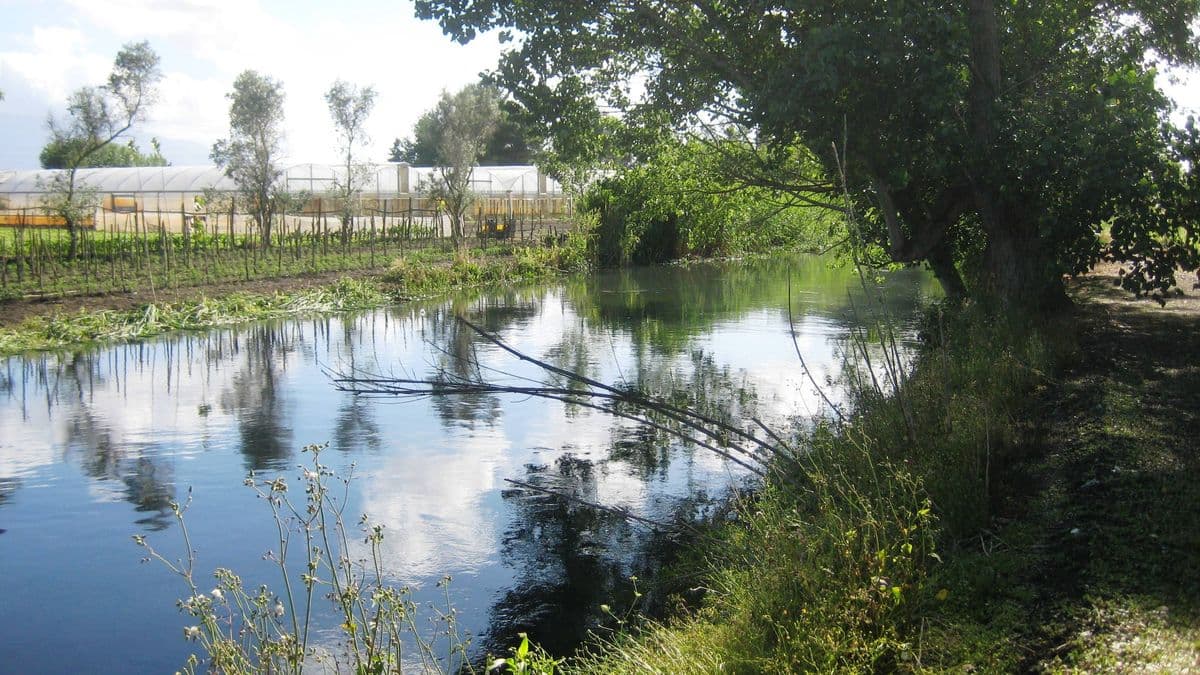
The Sarno and its tributaries cross three provinces and 39 municipalities, alongside agrifood and tanning industrial centres, according to Civil Protection, which describes a long-running emergency involving urban density and industrial pollution. The Campania Region has published a four-year framework tender worth €406,990,761.29, divided into seven lots, for environmental requalification and hydraulic-risk reduction across the basin, including riverbed cleaning, dredging, sediment management and hydraulic works.
According to figures reported by Radio Marte, 103 of 113 direct sewer discharges have been eliminated, with the remaining ten expected to be closed by spring 2027. The regional response combines infrastructure, monitoring and enforcement, while a proposed law on stronger administrative penalties for illegal industrial discharges had not yet been adopted in that report.