Salerno's exports increased by 9.5% in the first half of 2026 compared with the same period of the previous year, according to Il Mattino. The province was described as Campania's second-largest exporting province, representing 16.3% of regional exports, based on data from the Centro Studi Tagliacarne reported by the newspaper.
Andrea Prete argues that Salerno's combination of high-speed rail, motorways, an airport and a commercial port could support an internationalisation hub serving businesses across Southern Italy. Prete's description of Salerno as "il capoluogo di provincia più infrastrutturato d'Italia" is his assessment, not an independently demonstrated national ranking.
The airport's first-year result of 370,000 passengers was reported by ENAC and GESAC. The same airport account puts the initial development phase at approximately 80 million euros of investment, within a planned total of 223 million euros.
The airport has developed a substantial international network, with 13 international destinations in the reported 2025-2026 schedules, according to ENAC and GESAC and the airport's official site. The airport's official site states that the 2025 summer schedule reached 18 destinations overall, including connections to seven European capitals.
Planned easyJet routes to Paris, London and Basel would further strengthen Salerno's international air connectivity, according to Il Mattino. Airline schedules are time-sensitive and may change after publication.
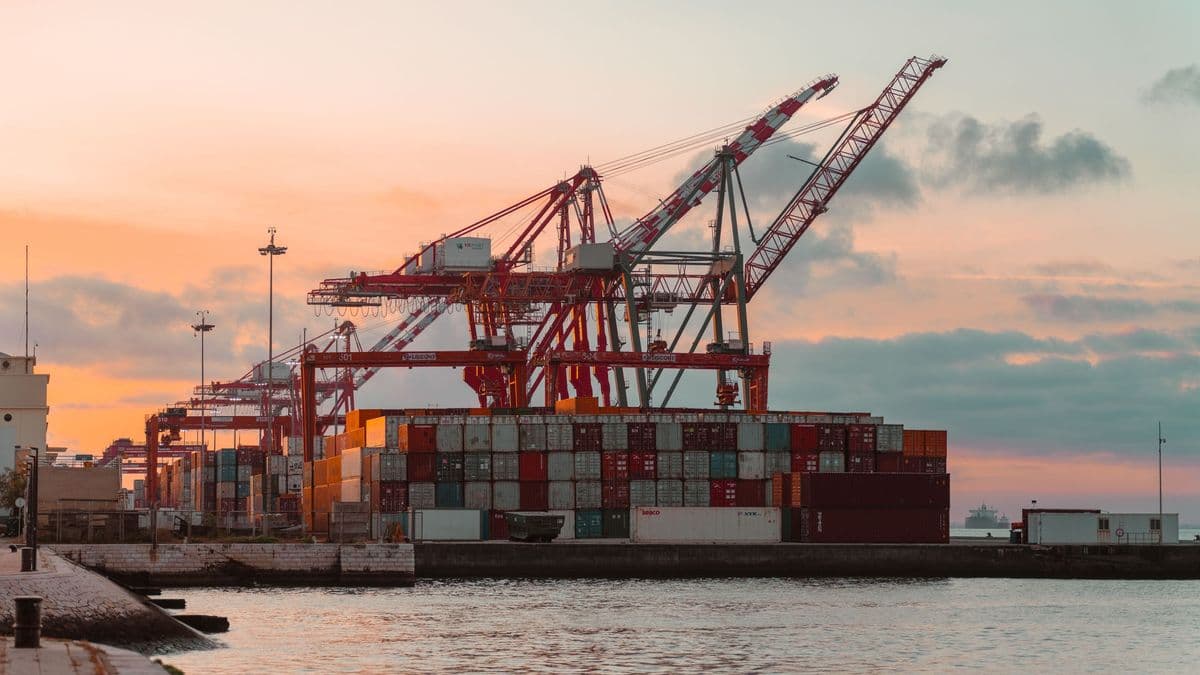
On the maritime side, Salerno's port combines commercial, industrial and cruise functions across an operational area of approximately 500,000 square metres, according to the port. Molo Manfredi hosts the Zaha Hadid passenger terminal and maritime routes serving European and global destinations, according to the port.
Local transport and access infrastructure remain a practical constraint. According to Il Mattino, airport growth requires better rail, metro, road and local transport connections.
The link between improved connectivity and sustained export growth remains a strategic hypothesis advanced by Prete rather than a demonstrated causal result.