Lucia Pappalardo, director of the Vesuvian Observatory, said the more people move away from Rione Solfatara the better, according to Il Mattino. She made the remarks during a hearing of the Italian Chamber of Deputies' Environment Commission concerning legislation on Campi Flegrei.
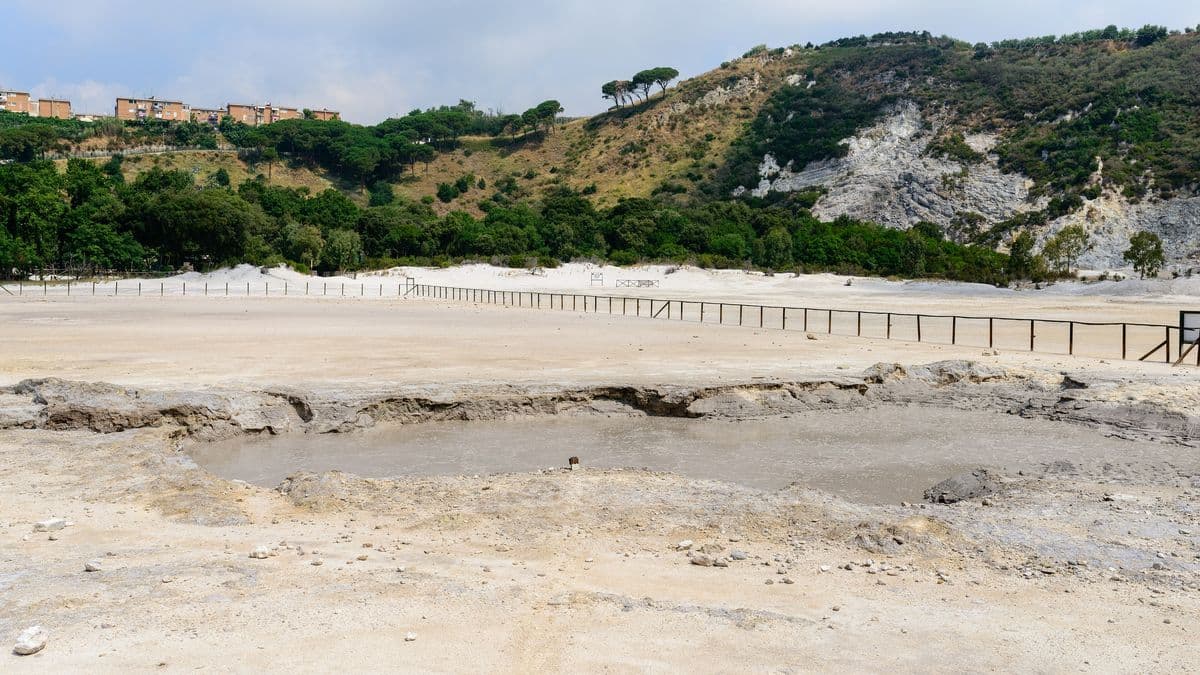
According to Il Mattino, Pappalardo identified Solfatara as the principal site of degassing and described the area around Rione Solfatara as dangerous. She supported encouraging residents in the Acer district near Solfatara to move away voluntarily from the hazardous area.
The current bradyseismic crisis involves continuing ground uplift, increased seismicity and substantial degassing, according to Il Mattino. It said some locations have potentially critical or lethal concentrations of carbon dioxide.
The Vesuvian Observatory operates continuous seismic, geodetic, volcanological and geochemical monitoring at Campi Flegrei, according to INGV. INGV says monitoring data are analyzed, checked and interpreted by Observatory staff and published through weekly and monthly bulletins.
Monitoring uses multiparametric observational and instrumental networks, including thermal infrared surveillance and drones in areas with intense degassing or thermal anomalies, according to INGV. INGV says the information is transmitted to Italy's Civil Protection Department and contributes to the definition of alert levels and emergency procedures.