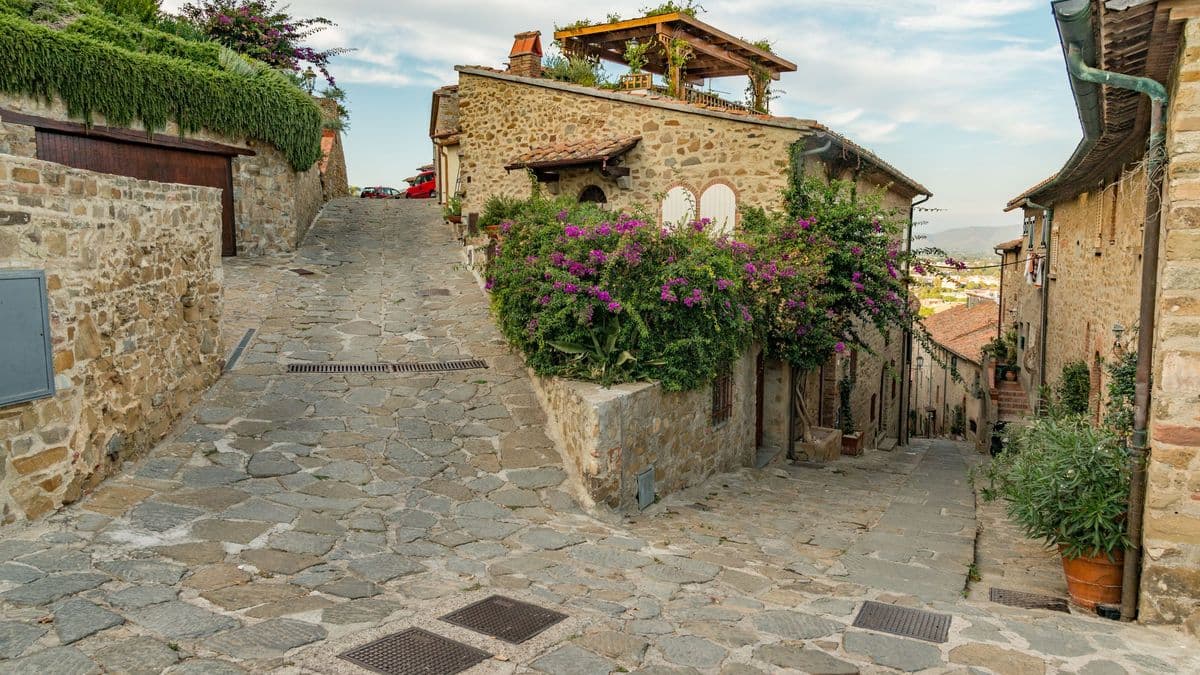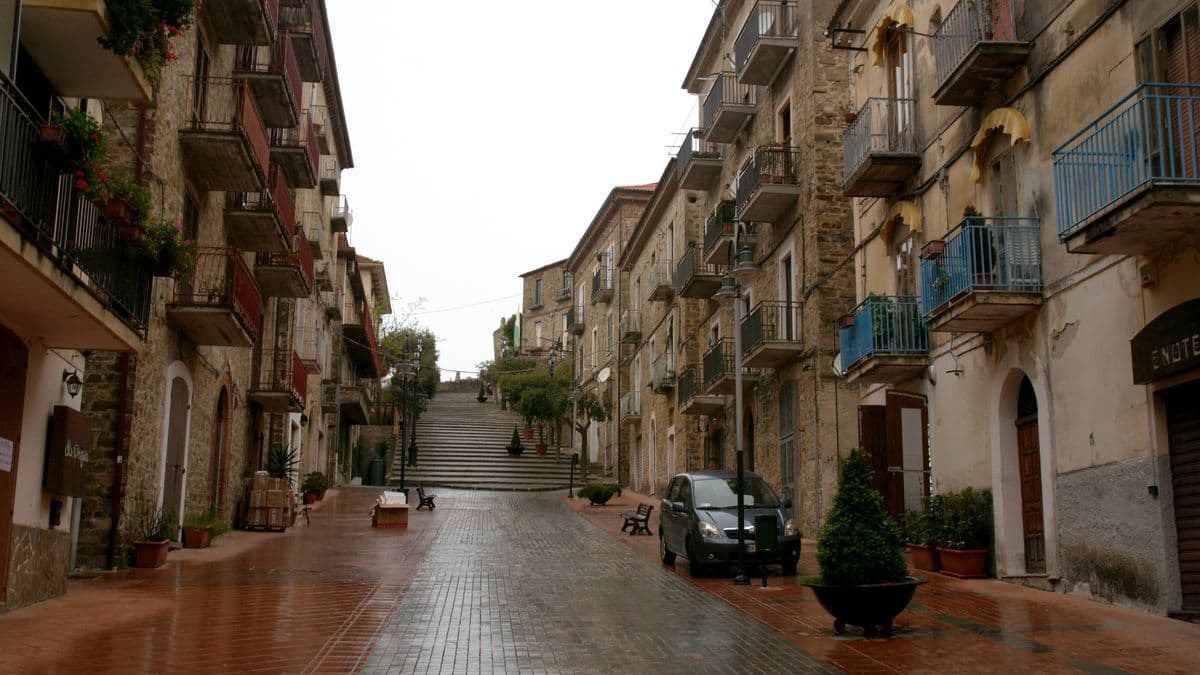
Agropoli enters the national food-television map through its historic centre and Via Filippo Patella, presented by InfoCilento as an emerging food-focused street. The street appears in the Cilento episode of “Paesaggi d’Italia,” the eight-part Gambero Rosso series promoted with Italy’s Ministry of Foreign Affairs to present Italian heritage, landscapes, food, producers and artisans to an international audience.
The Cilento episode follows a route from Paestum through the Cilento National Park toward Palinuro, according to Gambero Rosso. It links archaeological sites and natural landscapes with gastronomy, highlighting buffalo mozzarella from the Paestum area, handmade fusilli and the Cilento white fig as products tied to local identity.
A street built around tasting
In Agropoli, the cameras focus on Via Filippo Patella as a walkable concentration of restaurants, artisan producers, pizza, seafood and local cured meats and cheeses, according to InfoCilento. The appeal for visitors is experiential: handmade fusilli made and explained with the involvement of Cilento grandmothers.
That experience has a fixed address for visitors. InfoCilento identifies the Fusilleria Cilentana in Via Filippo Patella as a project centred on handmade fusilli and the participation of local grandmothers. For a visitor, the practical offer is to watch, learn and taste in the historic centre rather than only passing through on the way to the beach.
The mozzarella road through Agropoli
Agropoli also appears in Gambero Rosso’s wider food-travel coverage of the SS18, the road connecting Salerno, Paestum and Agropoli. Gambero Rosso describes that stretch as a route through an important Mozzarella di Bufala Campana DOP area and names Caseificio Polito, in the Mattine area of Agropoli, as a local stop.
Together, the two routes give visitors a simple itinerary grounded in the programmes: the historic-centre street for fusilli, pizza, seafood, cured meats and cheeses, and the SS18 corridor for buffalo mozzarella and dairy production. Both put producers, artisan knowledge and small commercial streets alongside beaches and monuments.
Visibility alone is not enough
InfoCilento cautions that television visibility does not by itself resolve questions involving services, urban decorum, commercial organisation and residents’ quality of life. The point is stated as a local condition, not as a criticism of the programme: a food street works for tourism when shops, public spaces and daily life in the neighbourhood work as well.